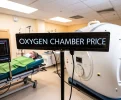
A certified hyperbaric technologist plays an important role in healthcare by helping medical teams deliver hyperbaric oxygen therapy safely and effectively. These professionals operate and monitor hyperbaric chambers, follow safety procedures, and support patients during treatment sessions. They work closely with physicians, nurses, and other healthcare professionals to maintain a safe treatment environment.
Hyperbaric oxygen therapy involves placing a patient in a specialized chamber where they breathe oxygen under increased atmospheric pressure. This process allows the body to absorb more oxygen, which can support healing in certain medical conditions when prescribed by qualified healthcare providers.
As healthcare facilities explore specialized treatment options, trained professionals who understand hyperbaric equipment and patient safety can offer valuable support. Becoming a certified hyperbaric technologist can help you develop specialized knowledge, strengthen your professional skills, and explore opportunities in hyperbaric medicine.
Why Is a Career in Hyperbaric Technology Worth Considering?
A career in hyperbaric technology offers an opportunity to work in a specialized area of healthcare. If you enjoy working with medical equipment, following detailed procedures, and supporting patient care, this profession may suit your interests.
Hyperbaric technologists help healthcare teams prepare treatment chambers, monitor equipment, communicate with patients, and respond appropriately to operational concerns. Their work requires attention to detail because chamber operation involves specific pressure, oxygen, and fire-safety considerations.
This career can also appeal to people who want to expand their healthcare knowledge beyond traditional clinical roles. Depending on your qualifications, experience, and local employment requirements, you may explore positions in hospitals, specialized wound-care centers, hyperbaric treatment facilities, and other medical settings that offer this therapy.
However, certification alone does not guarantee employment. Employers may also require relevant healthcare experience, practical training, or additional qualifications.
What Skills Do You Need to Become a Certified Hyperbaric Technologist?
Successful hyperbaric technologists combine technical knowledge with strong communication and safety skills. Developing these abilities can help you prepare for the responsibilities of the profession.
Technical knowledge: You need to understand how hyperbaric chambers operate, how pressure affects the treatment environment, and how staff monitor equipment during sessions.
Attention to detail: You must follow operating procedures, verify equipment readiness, document treatment information, and recognize unusual readings or potential problems.
Communication skills: You need to explain procedures clearly, answer appropriate patient questions, and communicate concerns to the clinical team.
Problem-solving abilities: You should learn to identify equipment irregularities, follow emergency protocols, and report issues without taking actions beyond your training or authorization.
Teamwork: Hyperbaric treatment involves coordination among different healthcare professionals. You must follow instructions, share accurate information, and contribute to a safe working environment.
Commitment to safety: You must understand oxygen-related fire risks, chamber safety requirements, infection prevention, and emergency procedures.
Training helps you build these skills systematically and prepares you to understand the responsibilities associated with hyperbaric operations.
How Can Online HBOT Training Help You Build Your Career?
Online HBOT training provides a convenient way to study important hyperbaric concepts and develop foundational knowledge. It can suit healthcare professionals, aspiring technologists, and other eligible learners who want to understand hyperbaric medicine while managing their existing schedules.
A structured online course may cover hyperbaric oxygen therapy principles, chamber components, operating procedures, patient monitoring, equipment safety, and emergency response. Lessons, assessments, and educational resources can help you review complex subjects at your own pace.
Another benefit is flexibility. You may be able to study outside regular working hours, revisit lessons, and organize your learning around professional or personal commitments.
However, online education has limitations. Reading course materials or completing virtual assessments cannot fully replace supervised practical experience when hands-on competency is required. Before enrolling, check whether the program includes practical training, instructor support, recognized certification pathways, and assessments that match your career goals.
You should also confirm that the course meets the expectations of employers and relevant professional organizations in your region.
What Career Opportunities Can Hyperbaric Technologists Explore?
A career as a certified hyperbaric technologist may open several professional pathways, depending on your qualifications and experience.
Hospital-based hyperbaric services: Some hospitals operate hyperbaric units where trained personnel support prescribed treatments and maintain chamber safety.
Specialized treatment centers: Facilities that provide hyperbaric oxygen therapy may need trained staff to help manage equipment and coordinate treatment sessions.
Wound-care facilities: Certain wound-care programs use hyperbaric oxygen therapy for eligible patients. Technologists may support these services as part of a multidisciplinary team.
Hyperbaric equipment operations: Professionals with suitable technical knowledge may explore equipment-related responsibilities, including operational checks and maintenance coordination, where permitted by their training.
Professional development and education: Experienced practitioners may pursue further education or help train other staff when they meet the relevant requirements.
Available positions vary by location, employer, and professional qualifications. Research local job descriptions to understand the experience, credentials, and practical competencies employers expect.
How Does Hyperbaric Training Improve Patient Safety?
Patient safety is one of the most important reasons to pursue structured hyperbaric education. Hyperbaric chambers operate under specialized conditions, so staff must understand the risks and follow established procedures.
Training can help you recognize why equipment inspections, patient preparation, communication, and continuous monitoring matter. It can also introduce emergency procedures and explain how staff should respond when equipment readings or patient conditions raise concerns.
Oxygen-enriched environments require particularly strict fire prevention measures. Technologists must understand facility rules regarding clothing, personal items, equipment compatibility, and other potential ignition sources.
Training also emphasizes the importance of working within your scope of practice. Technologists support treatment delivery, but qualified clinicians determine patient suitability, prescribe treatment, and manage medical decisions according to their responsibilities.
By developing a strong safety mindset, you can contribute to reliable operations and help healthcare teams maintain appropriate standards of care.
How Can You Choose the Right Hyperbaric Training Program?
Choosing the right program requires careful research. Not every course offers the same curriculum, practical experience, or professional recognition.
Start by reviewing the course syllabus. Look for comprehensive coverage of hyperbaric principles, chamber operations, oxygen safety, patient monitoring, and emergency procedures.
Next, examine the instructors’ qualifications and professional experience. Experienced educators can help connect theoretical concepts with real-world responsibilities.
You should also check whether the program offers supervised practical instruction, assessments, and guidance on certification requirements. Ask whether the credential is recognized by your intended employers or relevant professional bodies.
If you prefer flexible learning, online HBOT training may provide a useful starting point. Confirm, however, whether you must complete additional practical instruction before qualifying for a specific role.
Hyperbaric Business Solutions can be a starting point for exploring hyperbaric education and professional development resources. Before selecting any provider, review its current course details and verify how its training aligns with your career objectives.
What Steps Can Help You Start Your Career in Hyperbaric Technology?
You can approach this career goal through a series of practical steps.
- Research the profession: Learn about daily responsibilities, workplace conditions, and the qualifications employers require.
- Review your background: Identify relevant healthcare, technical, or patient-support experience that may help you meet entry requirements.
- Select suitable training: Compare course content, practical components, instructor expertise, and certification recognition.
- Develop essential skills: Strengthen communication, equipment awareness, documentation, and safety knowledge.
- Gain supervised experience: Complete practical training or clinical exposure when required by the program or employer.
- Prepare for employment: Update your résumé, highlight relevant competencies, and apply for roles that match your qualifications.
- Continue learning: Keep your knowledge current through additional education and workplace training.
Hyperbaric Business Solutions can also be included in your research when exploring educational resources related to hyperbaric technology and career development.
Is Becoming a Certified Hyperbaric Technologist the Right Career Choice?
Becoming a certified hyperbaric technologist may suit you if you want to work in a specialized healthcare environment, enjoy technical responsibilities, and value patient safety. The profession combines equipment knowledge, teamwork, careful monitoring, and adherence to established clinical procedures.
With appropriate education, practical preparation, and relevant credentials, you can build a foundation for exploring opportunities in hyperbaric medicine. Online HBOT training may help you begin learning, while hands-on instruction and continued professional development can prepare you for the practical demands of the role.
Ultimately, the best career decision depends on your interests, qualifications, and local employment requirements. Research training options carefully, understand the responsibilities involved, and choose a pathway that supports your long-term professional goals.