A sewer backup can cause serious damage to your property within a short time. When wastewater flows back into your home or business, it can damage floors, walls, furniture, and personal belongings. It can also introduce harmful bacteria, viruses, and unpleasant odours into your indoor environment. Quick action helps limit these risks and protects your property’s long-term condition.
Professional sewer backup cleanup involves removing contaminated water, cleaning affected surfaces, disinfecting damaged areas, and drying the property thoroughly. Experts use specialised equipment and proven procedures to manage wastewater safely. Their services help prevent additional damage and create a healthier indoor environment.
Homeowners who delay cleanup may face expensive repairs, persistent odours, and mould growth. Working with a professional restoration team helps you address these problems before they become more serious. Ideal Response understands the importance of prompt restoration and effective cleanup when sewer problems threaten residential or commercial properties.
How Can Professional Cleanup Prevent Structural Damage?
Sewage water can penetrate porous building materials, including drywall, insulation, wooden flooring, and carpets. When these materials absorb contaminated water, they may weaken, swell, warp, or deteriorate. Prolonged exposure can also damage subfloors and other structural components.
Professional technicians inspect the affected areas to determine the extent of the damage. They identify materials that require cleaning, drying, repair, or replacement. Their assessment helps property owners understand which areas need immediate attention.
Professionals also use commercial-grade water extraction equipment to remove standing wastewater. Industrial air movers and dehumidifiers help eliminate moisture from suitable materials and surrounding spaces. This process reduces the risk of secondary damage and supports a more effective recovery.
By arranging sewer backup cleanup promptly, property owners can protect valuable building components and avoid unnecessary repair expenses.
Why Is Fast Emergency Restoration Essential After a Sewer Backup?
Time plays an important role in limiting the consequences of a sewer backup. Contaminated water can spread through connected rooms, soak into building materials, and leave harmful residues behind. Delays can increase the extent of the damage and make cleanup more complicated.
Professional emergency restoration services help property owners respond quickly when wastewater enters their homes or businesses. Restoration specialists assess the situation, identify immediate hazards, and begin appropriate cleanup procedures.
A fast response offers several important benefits:
- Limits water damage: Technicians remove standing wastewater before it spreads further.
- Reduces contamination: Professional cleaning helps remove sewage residues from affected surfaces.
- Controls moisture: Proper drying reduces the conditions that encourage mould growth.
- Protects belongings: Specialists assess furniture, documents, and other items to determine whether they can be safely restored.
- Supports faster recovery: An organised restoration process helps property owners move towards repairs and normal use sooner.
If sewage enters your property, avoid direct contact with the water. Keep children and pets away from contaminated areas. If the water may have reached electrical outlets or appliances, avoid entering the affected space until a qualified professional confirms it is safe.
How Does Professional Disinfection Protect Your Health?
Sewage contains contaminants that can create health risks through direct contact, accidental ingestion, or exposure to contaminated surfaces. These risks make professional handling essential, especially when wastewater affects kitchens, bathrooms, basements, or frequently used living spaces.
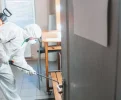
Professional cleanup teams follow appropriate safety procedures and use protective equipment to reduce exposure. They remove contaminated materials when necessary and apply suitable cleaning and disinfection methods to affected surfaces.
The process usually includes removing sewage residues, cleaning surfaces, disinfecting appropriate materials, and checking for remaining contamination. Technicians may also recommend replacing porous items that cannot be safely cleaned and restored.
Simply drying the affected area does not eliminate all biological hazards. Likewise, covering unpleasant odours with air fresheners does not address the source of contamination. Professional sewer backup cleanup focuses on removing the underlying problem rather than masking its visible signs.
Property owners should also avoid mixing household cleaning chemicals, as certain combinations can release dangerous fumes.
Can Professional Cleanup Prevent Mould and Persistent Odours?
Sewer backups often leave excess moisture in carpets, wall cavities, insulation, and other hard-to-reach areas. When moisture remains, mould may develop and create additional indoor air quality concerns. Damp materials can also produce musty smells that persist long after visible water disappears.
Professional restoration teams use moisture meters and appropriate drying equipment to locate and remove excess moisture. They monitor affected areas to assess drying progress and determine whether materials need further treatment or replacement.
Odour control also requires attention to the source of the problem. Technicians remove contaminated debris, clean affected surfaces, and use suitable deodorising methods after addressing the underlying contamination.
A thorough approach helps prevent recurring smells and reduces the likelihood of moisture-related problems. However, no restoration company should guarantee that mould or odours will never return, particularly if the original plumbing issue remains unresolved.
What Equipment Do Professionals Use for Sewer Backup Cleanup?
Professional restoration teams rely on specialised equipment to manage contaminated water and restore affected spaces safely. The equipment they use depends on the amount of wastewater, the materials involved, and the severity of the damage.
Common tools and equipment include:
- Water extraction machines: These remove standing wastewater from affected floors and other accessible areas.
- Industrial air movers: These circulate air to support the drying process.
- Commercial dehumidifiers: These remove excess moisture from indoor air.
- Moisture detection tools: These help technicians identify damp materials that may not appear wet.
- Protective equipment: Gloves, protective clothing, eye protection, and suitable respiratory protection help reduce exposure to contaminants.
- Cleaning and disinfection products: Appropriate products help remove residues and disinfect compatible surfaces.
Using the right equipment improves efficiency and helps technicians address hidden moisture and contamination. Professionals also assess which materials can be salvaged and which require safe removal.
How Can You Choose the Right Emergency Restoration Company?
Choosing an experienced restoration provider can make a significant difference in the recovery process. Property owners should look for a company that understands sewage contamination, follows appropriate safety practices, and provides clear information about its services.
Before hiring a provider, consider these factors:
Experience and training: Ask whether the team has experience handling sewage backups and contaminated water damage.
Response availability: A provider that offers prompt emergency assistance can help reduce delays during a stressful situation.
Proper equipment: Confirm that the company has suitable extraction, drying, cleaning, and moisture-monitoring equipment.
Clear estimates: Request a written explanation of the proposed work, expected costs, and any potential additional charges.
Insurance documentation: Ask for relevant insurance information and clarify whether the company can provide documentation to support an insurance claim.
Communication: Choose a team that explains the cleanup process, identifies potential concerns, and keeps you informed throughout the project.
Ideal Response can serve as a starting point when evaluating restoration options for sewage-related property damage. Always discuss your specific situation, the proposed cleanup methods, and the scope of work before proceeding.
What Steps Should You Take Before Restoration Professionals Arrive?
Your actions immediately after a sewer backup can help protect people and limit further damage. However, safety should always come first.
Follow these practical steps:
- Keep everyone away from contaminated water and affected rooms.
- Contact a qualified plumber or appropriate professional to address the source of the backup.
- Avoid using toilets, sinks, or drains connected to the affected system until a professional confirms they are safe to use.
- Stay away from potentially affected electrical equipment and arrange a qualified electrical assessment when necessary.
- Photograph visible damage from a safe location for insurance documentation.
- Contact a professional restoration provider as soon as possible.
Do not attempt to clean extensive sewage contamination with ordinary household tools. Professional assessment helps determine the safest and most effective response.
How Can Professional Sewer Backup Cleanup Protect Your Property Long-Term?
Professional sewer backup cleanup does more than remove visible wastewater. It helps protect building materials, reduce contamination, control moisture, and identify damage that could cause future problems. Prompt emergency restoration also supports a more organised recovery and helps property owners make informed repair decisions.
Regular plumbing inspections, proper drain maintenance, and prompt attention to slow drains can help reduce the likelihood of future backups. Property owners should also investigate recurring drainage problems instead of repeatedly treating their symptoms.
When sewage threatens your home or business, professional support can make the recovery process safer and more manageable. By choosing experienced specialists and acting quickly, you can protect your property’s condition, safeguard occupants, and reduce the risk of additional damage.