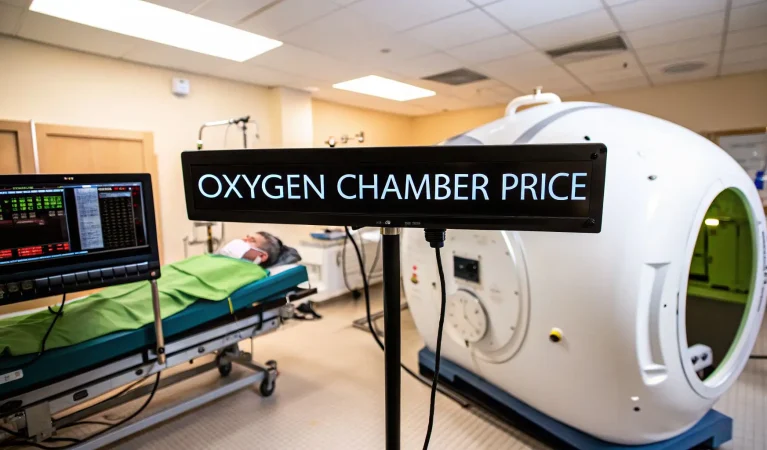
Choosing the right oxygen chamber requires careful consideration of your health goals, safety requirements, budget, and intended use. With several models available, buyers need to understand the differences between chamber types, operating pressures, features, and maintenance requirements. Whether you plan to use a chamber in a professional healthcare setting or explore options for personal wellness, the right choice should match your specific needs.
Understanding the oxygen chamber price, safety standards, and available support services can help you make a more informed decision. You should also consider professional guidance and relevant education before purchasing or operating hyperbaric equipment.
What Is an Oxygen Chamber and How Does It Work?
An oxygen chamber is an enclosed space that allows a person to breathe oxygen under controlled pressure. Hyperbaric oxygen therapy (HBOT) uses increased atmospheric pressure to help the body absorb more oxygen into the bloodstream. Healthcare professionals may recommend this treatment for certain approved medical conditions.
Oxygen chambers generally fall into two main categories: soft-sided chambers and hard-sided chambers. Soft-sided models often operate at lower pressures, while hard-sided systems can support higher pressures depending on their design and certification.
However, these options do not serve identical purposes. The appropriate chamber depends on the intended application, the manufacturer’s specifications, and the guidance of a qualified healthcare professional. Buyers should understand these differences before making a purchase.
Which Type of Oxygen Chamber Should You Choose?
Your intended use should guide your decision. Start by identifying whether you need a chamber for an approved medical application, a professional facility, research, or a personal wellness setting.
Consider the following options:
- Soft-sided chambers: These models often feature flexible construction and may suit certain lower-pressure applications. Check their pressure limits and intended uses carefully.
- Hard-sided chambers: These chambers typically use rigid materials and may support higher operating pressures. Their suitability depends on the model and its approved indications.
- Professional clinical systems: Healthcare facilities may require equipment with specific monitoring, oxygen delivery, emergency procedures, and regulatory approvals.
- Portable designs: Some models offer easier storage or transportation, but portability should never outweigh safety, performance, or proper installation.
Do not select a chamber based only on its appearance or advertised benefits. Compare its operating specifications, intended use, safety features, and manufacturer support before deciding.
How Should You Compare Oxygen Chamber Price and Value?
The oxygen chamber price can vary significantly depending on the chamber type, operating pressure, construction materials, control systems, accessories, and manufacturer. Installation, maintenance, staff training, and ongoing operating expenses can also affect the total cost.
Instead of choosing the cheapest option, evaluate the overall value of the equipment.
Before requesting a quotation, consider these important factors:
- Initial purchase cost: Compare the chamber, included accessories, delivery, and installation expenses.
- Safety equipment: Check whether the system includes appropriate pressure monitoring, communication tools, emergency controls, and other required safeguards.
- Warranty coverage: Review the warranty period, covered components, exclusions, and repair process.
- Maintenance requirements: Ask about inspection schedules, replacement parts, servicing costs, and technical support.
- Operating expenses: Consider electricity consumption, staffing, consumables, and other recurring costs.
- Training and support: Determine whether the supplier provides operating instructions and access to qualified technical assistance.
Request written quotations from multiple reputable suppliers. Ask each supplier to explain what the quoted price includes and whether additional costs may arise after installation.
A transparent quotation makes it easier to compare products fairly and avoid unexpected expenses.
Which Safety Features Should an Oxygen Chamber Include?
Safety should remain your highest priority when evaluating oxygen chamber equipment. Pressurized environments and oxygen-rich settings require careful handling, suitable materials, and appropriate operating procedures.
Look for equipment designed with relevant pressure controls, monitoring systems, communication features, and emergency procedures. Ask the manufacturer how the system manages pressure changes and what steps operators must follow if a problem occurs.
You should also verify the chamber’s intended use, applicable certifications, regulatory status, and maintenance documentation. Requirements may vary by country, product category, and clinical application.
Oxygen presents a fire hazard, so equipment must meet the applicable oxygen-safety requirements. Users should follow restrictions on ignition sources, clothing, personal products, and other materials inside the chamber.
Never assume that every oxygen chamber is suitable for every patient or condition. A qualified healthcare professional should determine whether HBOT is appropriate, assess potential risks, and supervise treatment when required. Oxygen chamber use can involve risks such as ear or sinus injuries, temporary vision changes, and oxygen toxicity.
Why Should You Consider Manufacturer Reputation and After-Sales Support?
A reliable manufacturer should provide clear product specifications, operating instructions, maintenance guidance, and responsive customer support. These resources help buyers understand how to install, operate, and maintain their equipment correctly.
Research the manufacturer’s experience and ask for documentation that supports its product claims. Check whether the supplier offers installation assistance, staff training, spare parts, scheduled servicing, and troubleshooting support.
You should also review customer feedback carefully. Look for consistent comments about product reliability, service response times, warranty handling, and technical assistance rather than relying on promotional testimonials alone.
Companies such as Life Force Med Beds may be among the suppliers you investigate when comparing available options. However, assess every supplier against the same objective criteria, including safety documentation, product suitability, transparent pricing, and after-sales support.
How Can HBOT Training Courses Help You Make an Informed Decision?
Equipment selection is only one part of responsible hyperbaric chamber use. Operators also need to understand the system’s operating procedures, safety requirements, maintenance needs, and emergency protocols.
Exploring hbot training courses can help prospective operators identify relevant educational opportunities. Depending on the course, training may cover hyperbaric principles, chamber operation, patient screening, oxygen safety, equipment checks, and emergency response.
Before enrolling, examine the course provider’s qualifications, curriculum, practical components, and recognition within the relevant professional setting. Confirm whether the training meets local requirements for your intended role.
Keep in mind that completing a course does not automatically qualify someone to diagnose conditions, prescribe HBOT, or provide medical treatment. Clinical responsibilities require the appropriate professional qualifications and authorization.
If you plan to purchase a chamber for a healthcare facility, ask the supplier about operator training and the support available after installation. Proper education can help your team understand the equipment’s limitations and follow established safety procedures.
What Questions Should You Ask Before Buying an Oxygen Chamber?
A structured checklist can help you compare suppliers and avoid decisions based on marketing claims alone.
Ask these questions before committing to a purchase:
- What applications is this chamber designed and authorized for?
- What operating pressures and oxygen delivery options does it support?
- Which safety features and certifications can the manufacturer document?
- What installation, maintenance, and inspection procedures does it require?
- What is included in the total purchase price?
- Does the supplier provide training, warranty coverage, and technical assistance?
- Are replacement parts and qualified service providers readily available?
- What space, ventilation, electrical, and other site requirements must you meet?
Compare the answers in writing. If a supplier makes claims about treating diseases or guaranteeing recovery, request reliable supporting evidence and verify the claims with an appropriately qualified healthcare professional.
How Can You Make the Best Final Decision?
Choosing the right oxygen chamber involves balancing suitability, safety, cost, and long-term support. Start with your intended application, consult qualified professionals where necessary, and compare equipment specifications from reputable manufacturers.
Evaluate the total ownership cost instead of focusing only on the initial oxygen chamber price. Review safety documentation, confirm maintenance arrangements, and consider relevant hbot training courses if you or your staff will operate the equipment.
Life Force Med Beds is one name you can include in your supplier research, but your final decision should depend on documented product quality, regulatory suitability, transparent pricing, and reliable support.
With careful research and realistic expectations, you can select an oxygen chamber that aligns with your requirements while prioritizing responsible operation and user safety.