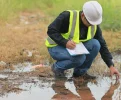
Environmental safety and sustainable development are essential considerations in construction, industrial operations, and land development. Before starting any project, it is important to understand the condition of the site and identify potential environmental risks. Two essential processes that help achieve this goal are the Preliminary Assessment Test and Soil and Groundwater Testing. These assessments provide valuable information about land quality, potential contamination, and environmental conditions, helping businesses, developers, and property owners make informed decisions.
What Is a Preliminary Assessment Test?
A Preliminary Assessment Test is an initial evaluation conducted to understand the environmental condition of a site and identify possible risks associated with its past and present use. It helps determine whether further environmental investigations are necessary before construction, redevelopment, or industrial activities begin.
This assessment generally involves reviewing historical land-use records, examining available environmental information, conducting a site inspection, and identifying potential sources of contamination. For example, a site previously used for manufacturing, fuel storage, chemical handling, or waste disposal may require additional investigation to determine whether hazardous substances have affected the surrounding environment.
The primary objective of a Preliminary Assessment Test is to identify potential environmental concerns at an early stage. By recognizing possible risks before significant investment begins, project owners can plan appropriate investigations, reduce unexpected expenses, and support regulatory compliance.
Why Is a Preliminary Assessment Test Important?
Conducting a preliminary environmental assessment offers several benefits for construction companies, industrial facilities, real estate developers, and landowners.
1. Early Identification of Environmental Risks
The assessment helps identify potential contamination sources, including chemical storage areas, fuel tanks, waste disposal locations, and previous industrial activities. Early identification allows project teams to investigate concerns before they become more complicated or expensive to address.
2. Better Project Planning
Environmental information helps developers determine whether a site is suitable for its intended purpose. If potential contamination is identified, the project team can plan further testing, remediation, or alternative land-use strategies.
3. Regulatory and Environmental Compliance
Depending on the location, industry, and project requirements, environmental investigations may be necessary to satisfy applicable regulations, permits, or due diligence obligations. A preliminary assessment helps establish the information needed to determine the next appropriate steps.
4. Cost and Liability Management
Identifying environmental concerns early can help prevent unexpected delays, remediation expenses, and potential liabilities. It also provides useful information for investment decisions and property transactions.
Understanding Soil and Groundwater Testing
Soil and Groundwater Testing is an essential environmental investigation process used to evaluate the physical and chemical characteristics of soil and groundwater. These tests help determine whether contaminants are present and whether environmental conditions could affect human health, ecosystems, or future development.
Soil can become contaminated through industrial activities, chemical spills, improper waste disposal, agricultural practices, and leaking underground storage tanks. Similarly, groundwater may be affected when pollutants migrate through soil and reach underground water-bearing formations.
Testing helps identify these concerns and provides scientific data for evaluating environmental quality. Depending on the site and its history, investigations may examine parameters such as pH, heavy metals, petroleum hydrocarbons, pesticides, volatile organic compounds, and other relevant contaminants.
The specific testing requirements depend on the intended land use, suspected contamination sources, local environmental standards, and the findings of the initial assessment.
The Importance of Soil and Groundwater Testing
1. Protecting Human Health
Contaminated soil and groundwater can create potential exposure risks through direct contact, inhalation of certain vapors, or consumption of affected water. Testing helps identify contamination that may require further investigation or corrective action.
2. Ensuring Safe Construction
Before developing residential buildings, commercial properties, factories, or infrastructure, understanding soil conditions is important. Environmental testing can reveal contamination that could affect construction activities, material handling, or the suitability of a site for its intended use.
3. Protecting Natural Resources
Groundwater is an important resource for drinking water, agriculture, and industrial applications. Soil and groundwater investigations help identify pollution sources and support measures to protect water quality and surrounding ecosystems.
4. Supporting Environmental Compliance
Testing results can help organizations demonstrate that they have investigated relevant environmental concerns. Where required, the findings may support regulatory submissions, environmental management plans, and remediation strategies.
How Do These Two Assessments Work Together?
A Preliminary Assessment Test and Soil and Groundwater Testing are complementary parts of an environmental investigation. The preliminary assessment generally comes first because it helps identify potential environmental concerns and determines whether detailed testing is warranted.
The process typically begins with a review of historical records, site activities, and available environmental information. A site inspection then helps identify visible warning signs, such as stained soil, chemical storage areas, or evidence of spills.
If potential contamination is suspected, an investigation plan is developed. Soil samples may be collected from selected locations and depths, while groundwater samples may be obtained from suitable monitoring wells where necessary. Samples are analyzed by an appropriately qualified laboratory using suitable analytical methods.
The results are then evaluated against applicable environmental criteria and the site’s intended use. If contamination is confirmed, additional investigation may be needed to understand its extent, identify possible exposure pathways, and determine appropriate risk management or remediation measures.
Choosing the Right Environmental Testing Partner
Selecting an experienced environmental testing provider is important for obtaining reliable results and meaningful recommendations. Look for a service provider with qualified environmental professionals, appropriate sampling procedures, suitable laboratory capabilities, and familiarity with applicable regulations.
A reliable provider should also maintain clear documentation, sample traceability, quality assurance procedures, and transparent reporting. These practices help ensure that the findings can support practical decisions and further environmental investigations.
Conclusion
The Preliminary Assessment Test and Soil and Groundwater Testing play an important role in responsible land development, industrial safety, and environmental protection. While the preliminary assessment identifies potential risks and determines the need for further investigation, soil and groundwater testing provides scientific evidence about environmental conditions.
Together, these processes help organizations make informed decisions, protect natural resources, manage potential liabilities, and plan safer development projects. Investing in appropriate environmental assessments at the beginning of a project can prevent costly surprises and contribute to a cleaner, healthier, and more sustainable future.