Flooding can cause serious damage to your property within a short period. Heavy rainfall, overflowing rivers, burst pipes, leaking appliances, and drainage problems can allow water to enter your home and damage different surfaces. Even after the visible water disappears, moisture can remain inside walls, floors, furniture, and other building materials. If you ignore these problems, they can lead to mould growth, unpleasant odours, structural damage, and expensive repairs.
Professional flood damage cleanup helps property owners address these problems safely and efficiently. Experienced restoration specialists use suitable equipment and proven techniques to remove water, dry affected areas, and restore damaged spaces. Whether you experience minor flooding or significant water damage, professional assistance can protect your investment and help you return to normal life.
1. How Does Professional Flood Damage Cleanup Prevent Further Property Damage?
Standing water can quickly damage several parts of your property. It can weaken wooden floors, damage carpets, affect electrical systems, and cause paint to peel. Water can also enter hidden spaces, making the damage worse over time.
Professional flood damage cleanup addresses these issues before they develop into larger problems. Restoration experts inspect the affected areas, identify visible and hidden moisture, and create a suitable cleanup plan.
They use professional water extraction machines to remove standing water quickly. They also identify materials that need cleaning, drying, repair, or replacement.
Taking immediate action helps limit further deterioration and reduces the risk of expensive restoration work.
2. Why Is Quick Water Removal Essential After a Home Flood?
A home flood requires immediate attention because water damage can spread rapidly. The longer water remains inside your property, the greater the possibility of damage to floors, walls, furniture, and personal belongings.
Quick water removal helps prevent moisture from spreading into surrounding materials. Professional restoration teams use powerful pumps and wet vacuums to extract accumulated water from affected rooms.
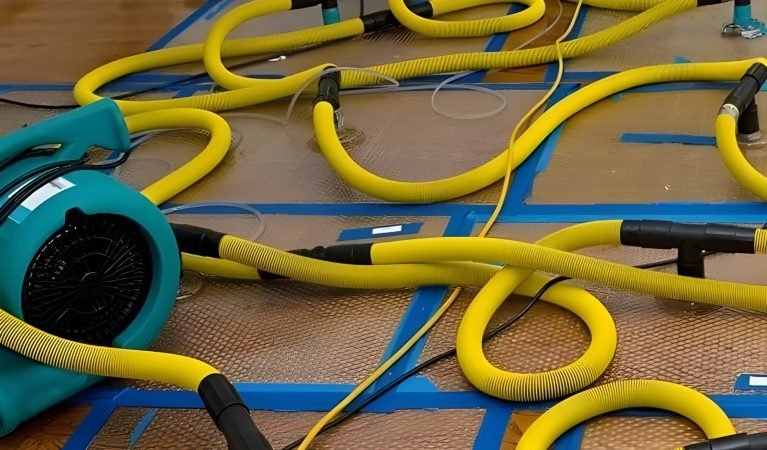
After removing standing water, technicians begin the drying process using industrial air movers and dehumidifiers. These machines help remove moisture from the air and building materials.
Fast water extraction and proper drying can make a significant difference in the overall restoration process. Therefore, contact experienced professionals as soon as conditions allow safe access to your property.
3. How Can Professional Cleanup Prevent Mould Growth?
Mould growth is one of the most common problems after flooding. Damp walls, wet carpets, ceilings, and furniture create suitable conditions for mould to develop.
Mould can produce unpleasant odours and affect indoor air quality. It can also damage surfaces and personal belongings if property owners leave moisture untreated.
Professional flood damage cleanup includes moisture detection, controlled drying, and appropriate cleaning procedures. Restoration specialists use moisture meters and other equipment to identify damp areas that may not be visible.
They also follow suitable mould prevention and remediation procedures when necessary. Proper drying helps reduce the conditions that support mould growth and protects your indoor environment.
4. Can Professional Flood Restoration Protect Your Property’s Structure?
Floodwater can affect the structural components of a building. Wooden frames may absorb moisture, plasterboard can weaken, and flooring materials may expand or become unstable.
In severe cases, prolonged water exposure can damage insulation, foundations, and other important building components.
Professional restoration specialists assess the extent of the damage before recommending repairs. They check affected walls, floors, ceilings, and other structural elements to identify potential problems.
They also use suitable drying equipment to remove trapped moisture from building materials wherever possible.
Addressing structural concerns early helps prevent additional deterioration and supports a safer restoration process.
5. Why Should You Avoid Handling Flood Cleanup Without Professional Help?
Many homeowners try to manage flooding themselves using household mops, buckets, and fans. These methods may help remove small amounts of water, but they often cannot address extensive water damage.
Floodwater may contain sewage, chemicals, dirt, bacteria, and other harmful contaminants. Direct contact with contaminated water can create health and safety risks.
Electrical hazards also present serious concerns, especially when water reaches sockets, appliances, wiring, or electrical panels.
Professional restoration teams understand these risks and follow appropriate safety procedures. They use protective equipment, specialised tools, and suitable cleaning products to handle affected areas.
Professional support also helps identify hidden problems that ordinary household cleaning cannot resolve.
6. How Does Professional Cleanup Protect Furniture and Personal Belongings?
Flooding can damage valuable furniture, electronics, clothing, documents, carpets, and sentimental belongings. However, not every water-damaged item needs immediate disposal.
Professional restoration specialists assess affected belongings and determine which items they can safely clean, dry, and restore.
They may use specialised drying techniques for furniture, suitable cleaning solutions for washable materials, and appropriate restoration methods for selected personal possessions.
Quick action improves the chances of saving certain belongings. However, heavily contaminated or severely damaged items may require disposal for safety reasons.
An experienced restoration team can help homeowners make informed decisions about damaged possessions.
7. What Are the Benefits of Professional Equipment and Expertise?
Professional flood damage cleanup requires more than removing visible water. Restoration specialists need the right equipment and technical knowledge to address moisture throughout the property.
Some essential restoration equipment includes:
- Industrial water extractors: Remove standing water from floors, carpets, and other affected surfaces.
- Air movers: Improve air circulation and speed up surface drying.
- Dehumidifiers: Remove excess moisture from indoor air.
- Moisture meters: Detect dampness in walls, floors, and other materials.
- Air filtration equipment: Helps manage airborne particles during appropriate restoration activities.
These tools allow professionals to complete important restoration tasks more effectively than basic household equipment.
At Ideal Response, professional assistance focuses on addressing water damage and helping property owners take the right steps towards restoring their spaces.
8. How Can Professional Flood Damage Cleanup Reduce Restoration Costs?
Delaying flood cleanup can increase the overall cost of property repairs. Moisture can spread into additional rooms, damage more materials, and create conditions that encourage mould growth.
For example, a wet carpet may initially require extraction and drying. However, if the homeowner ignores it, moisture can affect the underlying flooring and create further restoration requirements.
Professional intervention helps identify problems early and prevents avoidable damage wherever possible.
Restoration experts also help property owners understand which materials they can save and which ones need replacement. This approach supports better repair decisions and helps control unnecessary expenses.
9. What Should You Do Immediately After a Home Flood?
Taking the right steps after flooding can protect your property and improve the restoration process.
Follow these important precautions:
- Prioritise safety: Keep everyone away from flooded areas if electrical hazards or structural damage may exist.
- Avoid contaminated water: Do not touch floodwater until you understand the potential health risks.
- Turn off utilities when safe: Arrange professional assistance if water reaches electrical systems.
- Document the damage: Take photographs and videos for insurance purposes when you can do so safely.
- Protect valuable belongings: Move unaffected items away from water if the area is safe to enter.
- Contact restoration professionals: Arrange an inspection and begin the appropriate cleanup process.
These steps help reduce risks while preparing your property for professional restoration.
10. Why Should You Choose Ideal Response for Professional Flood Cleanup?
Choosing experienced restoration professionals can make the recovery process more manageable. A reliable team understands how flooding affects different building materials and knows how to approach water extraction, drying, cleaning, and repairs.
Professional assistance also helps property owners identify hidden moisture and address potential problems before they become more serious.
Ideal Response understands the importance of responding promptly to property damage. Working with qualified restoration specialists can help you protect your property, reduce additional damage, and restore a cleaner indoor environment.
Conclusion
Professional flood damage cleanup plays an important role in protecting your property after flooding. It helps remove standing water, prevent further damage, reduce mould risks, protect belongings, and support structural restoration.
A home flood can create unexpected challenges, but taking quick and appropriate action can make recovery easier. Instead of relying entirely on household cleaning methods, consider professional assistance to address both visible and hidden water damage.
With the right equipment, expertise, and restoration approach, you can protect your investment and bring your property back to a safe, comfortable, and functional condition.