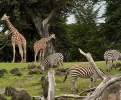
Creating a world-class zoo or botanical garden requires more than beautiful landscapes and impressive architecture. It demands a perfect combination of environmental sustainability, innovative design, animal welfare, biodiversity conservation, and visitor engagement. Across the globe, specialized design firms and landscape developers are transforming ordinary spaces into extraordinary destinations that celebrate nature and promote environmental awareness.
In this blog, we explore the importance of professional zoo and botanical garden development, the qualities that define industry leaders, and what makes the Best Zoo Designers in the World and Botanical Garden Developers in the World stand out.
The Growing Importance of Modern Zoo Design
Modern zoos have evolved significantly from traditional animal exhibition spaces. Today, they function as conservation centres, educational institutions, research facilities, and wildlife protection environments.
The Best Zoo Designers in the World understand that animal welfare must remain at the heart of every project. Their designs focus on creating naturalistic habitats that replicate the animals’ original ecosystems as closely as possible.
Some important elements of modern zoo design include:
- Naturalistic Habitats: Creating environments that reflect the natural living conditions of different animal species.
- Animal Welfare: Incorporating sufficient space, enrichment activities, shelter, and appropriate environmental conditions.
- Visitor Engagement: Designing interactive educational spaces that encourage visitors to understand wildlife conservation.
- Sustainable Infrastructure: Using environmentally responsible materials, efficient water systems, and energy-saving technologies.
- Conservation Facilities: Integrating veterinary hospitals, breeding centres, and wildlife research facilities.
A successful zoo combines architectural creativity with scientific knowledge to provide a safe and enriching environment for animals while offering memorable experiences to visitors.
What Makes the Best Zoo Designers in the World Stand Out?
Leading zoo designers bring together architects, landscape designers, zoologists, engineers, environmental specialists, and conservation experts. Their multidisciplinary approach ensures that every aspect of a zoo is carefully planned.
The most successful designers focus on creating immersive experiences where visitors can explore different ecosystems, from tropical rainforests and African savannahs to wetlands and desert landscapes.
They also consider long-term operational requirements, including animal healthcare, habitat maintenance, visitor circulation, waste management, and environmental protection.
Some of the most recognized names and organizations associated with contemporary zoo and wildlife-habitat design include CLR Design, Jones & Jones, and landscape architecture practices involved in major zoological projects worldwide. Their work demonstrates how thoughtful planning can improve animal environments and visitor experiences.
The Importance of Botanical Garden Development
Botanical gardens are much more than attractive green spaces. They are important centres for plant conservation, scientific research, environmental education, and ecological restoration.
The Botanical Garden Developers in the World play an essential role in creating landscapes that protect plant diversity while providing peaceful and educational experiences for visitors.
A professionally developed botanical garden can include themed gardens, tropical greenhouses, medicinal plant collections, water features, arboretums, conservation nurseries, and interactive educational zones.
These spaces help preserve rare and endangered plant species while encouraging communities to appreciate the importance of biodiversity.
Key Features of World-Class Botanical Gardens
Developing a successful botanical garden requires extensive planning, horticultural expertise, and a strong understanding of local environmental conditions.
The leading botanical garden developers focus on several important aspects:
- Landscape Architecture: Beautifully planned pathways, gardens, open spaces, and water features create an attractive and accessible environment.
- Plant Diversity: Incorporating native, exotic, medicinal, ornamental, and endangered plant species enhances biodiversity and educational value.
- Sustainable Water Management: Rainwater harvesting, efficient irrigation, and natural water filtration help reduce environmental impact.
- Conservation and Research: Dedicated nurseries, seed banks, and research facilities support plant preservation and scientific studies.
- Visitor Experience: Interactive exhibits, educational trails, themed gardens, and recreational areas make botanical gardens enjoyable for people of all ages.
Botanical Garden Developers in the World: Innovation Meets Sustainability
The Botanical Garden Developers in the World are increasingly embracing innovative technologies and sustainable development practices.
Renowned botanical institutions and landscape design organizations, including Royal Botanic Gardens, Kew, the Singapore Botanic Gardens, and leading international landscape architecture firms, demonstrate how scientific research, horticulture, and landscape design can work together.
Modern botanical garden projects increasingly incorporate smart irrigation systems, climate-controlled greenhouses, ecological landscaping, renewable energy, and digital interpretation systems.
These innovations make gardens more resilient to climate change while improving their educational and conservation capabilities.
Why Choose Professional Zoo and Botanical Garden Developers?
Whether planning a wildlife park, zoological garden, botanical garden, or integrated nature destination, selecting experienced professionals is essential.
Expert developers understand the technical, environmental, and operational challenges involved in large-scale nature-based projects.
Their services may include:
- Concept development and master planning.
- Architectural and landscape design.
- Wildlife habitat planning and animal welfare considerations.
- Horticultural planning and plant selection.
- Sustainable infrastructure development.
- Visitor facilities and recreational spaces.
- Environmental impact assessment and conservation planning.
Working with experienced specialists helps ensure that projects are visually appealing, environmentally responsible, functional, and sustainable over the long term.
Conclusion
The future of zoos and botanical gardens depends on innovative thinking, responsible development, and a commitment to biodiversity conservation. The Best Zoo Designers in the World are redefining wildlife spaces through naturalistic habitats, animal-focused planning, and immersive visitor experiences. Similarly, the Botanical Garden Developers in the World are creating sustainable green destinations that support plant conservation, research, education, and ecological balance.
As environmental awareness continues to grow, the demand for professionally designed zoos and botanical gardens will increase. By combining creativity, scientific expertise, and sustainable development principles, industry professionals can create extraordinary destinations that connect people with nature and help protect our planet for future generations.