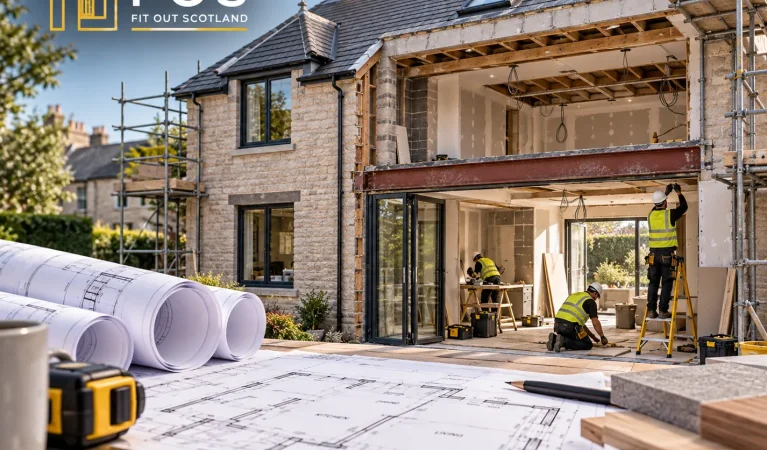
Refurbishing a property is an excellent way to improve its appearance, functionality, and long-term value. Whether you own a commercial building or a residential property, choosing experienced professionals can make a significant difference to the outcome. Working with Refurbishment Specialists Scotland helps ensure that your project is carefully planned, properly managed, and completed with attention to quality. From minor interior upgrades to extensive renovation work, the right team can help transform an existing space into an environment that meets your requirements.
Understanding the Role of Refurbishment Specialists
Refurbishment specialists manage and carry out improvements to existing buildings. Their work can involve repairing damaged areas, modernising interiors, upgrading facilities, and making structural changes where required.
Every property has different requirements. An older building may need repairs to its walls, roof, flooring, or electrical systems, while a modern commercial space may benefit from a redesigned layout and updated facilities.
Experienced specialists understand how to assess these requirements and recommend suitable solutions. They can also coordinate different trades and construction activities, helping the project progress in an organised manner.
Benefits of Hiring Experienced Professionals
Choosing an experienced refurbishment team offers several advantages for property owners.
1. Professional workmanship
Quality workmanship is essential for achieving durable and attractive results. Skilled professionals understand how to work with different materials and construction methods, ensuring that improvements are completed to an appropriate standard.
2. Better project planning
A refurbishment project involves several stages, from initial assessments and preparation to construction and finishing. Experienced specialists can organise these activities and establish a realistic schedule.
3. Efficient use of resources
Professional planning can help reduce material waste, avoid unnecessary work, and make better use of the available budget.
4. Access to skilled trades
Refurbishment work may require electricians, plumbers, decorators, flooring specialists, and other tradespeople. An established contractor can coordinate the relevant professionals and help maintain consistency throughout the project.
5. Long-term property improvements
Using suitable materials and professional installation methods can improve durability, reduce maintenance requirements, and support the long-term performance of a building.
Commercial Construction and Property Improvements
Commercial properties need to support business activities while providing a professional environment for employees, customers, and visitors. A poorly maintained or outdated building can affect the way a business operates and how people perceive its premises.
Professional Commercial Construction Scotland services can help businesses develop spaces that are practical, modern, and suitable for their operational needs.
Commercial construction and refurbishment work may include:
- Office renovations and internal layout improvements.
- Retail and hospitality property upgrades.
- Installation of modern lighting and flooring.
- Reception and customer-facing area improvements.
- Upgrading washrooms and staff facilities.
- Structural alterations and general building improvements.
When planning commercial work, it is important to consider the daily operations of the business. Depending on the project, construction may need to be completed in stages to minimise disruption.
An experienced contractor can discuss suitable scheduling arrangements and help coordinate the work around important business activities.
Improving Energy Efficiency and Building Performance
Energy efficiency is an important consideration in both residential and commercial refurbishment projects. Older buildings may have outdated insulation, inefficient heating systems, poor ventilation, or unsuitable windows.
Refurbishment provides an opportunity to address these issues and improve the overall performance of the property.
Possible improvements include better insulation, modern glazing, efficient lighting, upgraded heating controls, and improved ventilation. The most appropriate options will depend on the building’s condition, design, and intended use.
These improvements can help create more comfortable indoor environments and may reduce energy consumption over time. Professional advice is valuable when selecting upgrades because different buildings require different solutions.
Choosing the Right Refurbishment Company
Not all contractors offer the same level of experience or range of services. Before appointing a company, take time to research its background and assess whether it is suitable for your project.
Consider the following factors:
Previous experience: Look for examples of completed projects that are similar to your requirements.
Customer feedback: Reviews and references can provide useful information about reliability, communication, and workmanship.
Service range: Check whether the company can manage the different aspects of your refurbishment or coordinate the required specialists.
Insurance and compliance: Confirm that appropriate insurance is in place and that the contractor understands relevant building regulations and safety requirements.
Transparent quotations: Request a written estimate that explains the proposed work, materials, costs, and any exclusions.
A professional company should be willing to discuss your requirements and explain how it intends to approach the project.
The Importance of Budgeting and Scheduling
A clear budget and realistic timeline are essential for keeping refurbishment work organised. Before construction begins, identify the improvements that are most important and establish how much you are prepared to invest.
Ask the contractor for a detailed quotation and clarify how additional work will be priced if unexpected issues arise. It is also sensible to include a contingency allowance, particularly when working with older properties where hidden defects may be discovered.
The project schedule should outline the main stages of work and provide an estimated completion date. Regular communication about progress can help identify potential delays early and make it easier to manage changes.
Maintaining Your Property After Refurbishment
Once refurbishment is complete, ongoing maintenance helps protect the improvements and preserve the property’s condition.
Regular inspections can identify small issues before they become more serious. Check areas such as roofing, drainage, windows, plumbing, heating systems, and internal finishes according to the property’s needs.
Using durable materials and following suitable maintenance recommendations can also reduce future repair requirements.
Conclusion
Experienced refurbishment specialists can help property owners improve existing buildings through careful planning, skilled workmanship, and effective project management. Whether the objective is to modernise a commercial premises, improve energy efficiency, or create a more practical interior, professional support can make the process easier to manage.
By researching contractors, reviewing previous work, establishing a realistic budget, and agreeing on clear project expectations, you can make a confident decision. A well-managed refurbishment can improve the appearance, functionality, and long-term value of your property.