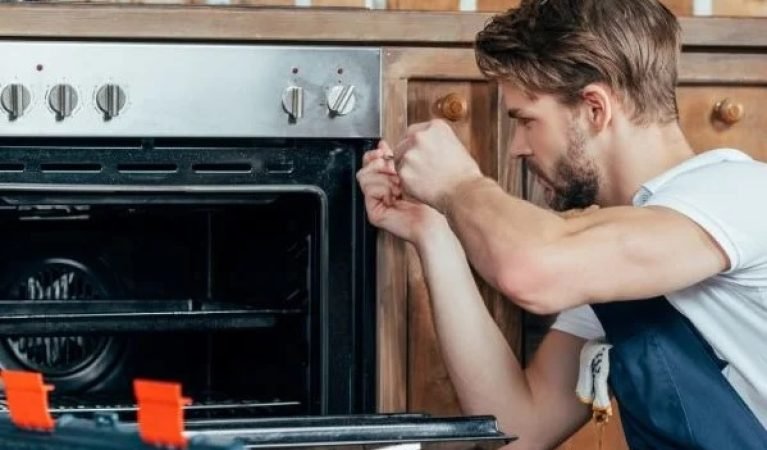
A reliable oven plays an important role in everyday cooking. When an oven stops heating, cooks unevenly, or develops another problem, professional service can help restore its performance. Modern kitchens use several oven styles, and each type has its own components, controls, and repair requirements. Choosing a qualified technician ensures that the technician can identify the problem correctly and handle the repair safely.
For homeowners searching for Oven Repair in Columbia, understanding which oven types professionals can service can make it easier to choose the right repair company. Professional technicians can usually work on many common residential ovens, from traditional electric models to advanced convection and wall ovens. CASPI Home Service provides appliance service designed to address common oven problems and help homeowners keep their kitchen equipment working properly.
What Types of Ovens Can Professionals Repair?
Professional oven technicians can repair many types of residential cooking appliances. Although designs vary between manufacturers, most ovens use similar basic systems, including heating elements, thermostats, sensors, control boards, switches, fans, and electrical connections.
Common oven types that professionals can repair include:
- Electric ovens
- Gas ovens
- Convection ovens
- Wall ovens
- Freestanding ovens
- Slide-in ranges with ovens
- Double ovens
- Self-cleaning ovens
- Modern digital ovens
A technician usually begins by identifying the oven type and checking its symptoms. This approach helps determine whether the problem involves the heating system, controls, ignition system, temperature sensor, or another component.
Can Professionals Repair Electric Ovens?
Yes, professional technicians can repair many electric ovens. These ovens depend on electrical heating elements and control systems to produce and regulate heat.
Common electric oven problems include a damaged bake element, faulty broil element, inaccurate temperature, broken thermostat, malfunctioning sensor, or defective control board. An oven may also fail to turn on because of an electrical connection or internal component problem.
A professional can inspect the oven, test the relevant components, and determine which part needs attention. Because electric ovens involve high-voltage components, homeowners should avoid attempting complicated electrical repairs without proper training.
Can Professionals Repair Gas Ovens?
Gas ovens require specialized knowledge because they combine gas delivery with ignition and temperature-control systems. Professional technicians can diagnose and repair many common gas oven problems.
A gas oven may fail to heat because of a faulty igniter, burner problem, gas valve issue, thermostat failure, or control malfunction. Some ovens may also produce inconsistent temperatures when the burner does not operate correctly.
A trained technician can inspect the ignition and heating system while following appropriate safety procedures. If you notice a strong gas odor, turn off the appliance if it is safe to do so, avoid creating flames or sparks, and contact the appropriate gas emergency service before arranging routine appliance repair.
Can Professionals Repair Convection Ovens?
Convection ovens include a fan that circulates hot air throughout the cooking chamber. This design can help distribute heat more evenly, but it also adds additional components that may eventually require service.
Professionals can diagnose problems involving convection fans, fan motors, heating elements, temperature sensors, and electronic controls. If the fan stops working, food may cook unevenly or require longer cooking times.
A technician can determine whether the issue comes from the fan assembly, electrical supply, motor, control system, or another component. Correct diagnosis can prevent unnecessary part replacement.
Can Professionals Repair Wall Ovens?
Wall ovens are popular because they provide a built-in cooking solution that saves counter and floor space. However, their installation can make access to internal components more complicated than it is with some freestanding models.
Professional technicians can service many single and double wall ovens. They may repair heating elements, temperature sensors, control panels, door components, fans, and electronic control boards.
When a wall oven stops working, professional service can also help identify installation-related electrical issues. Technicians can determine whether the appliance itself has failed or whether the problem involves its power connection.
Can Professionals Repair Freestanding Ovens?
Freestanding ovens combine a cooktop and oven in one appliance. They are available in both gas and electric configurations and remain common in many homes.
Professionals can repair problems such as uneven heating, faulty burners, broken heating elements, damaged oven doors, temperature-control issues, and malfunctioning electronic displays.
Because freestanding ranges contain several systems in one appliance, technicians need to inspect the specific symptom before recommending a repair. A problem that appears to affect the oven may sometimes involve the control system shared with the range.
Can Professionals Repair Double Ovens?
Double ovens provide two separate cooking compartments, allowing homeowners to prepare multiple dishes at different temperatures. Their larger number of components can also create more potential points of failure.
A technician can inspect individual heating elements, sensors, fans, controls, switches, and other components. If only one oven compartment stops working, the technician can determine whether the issue affects that section or comes from a shared control system.
Professional Appliance Repair Columbia services can help homeowners address these problems without replacing the entire appliance unnecessarily.
Can Professionals Repair Self-Cleaning Ovens?
Self-cleaning ovens use extremely high temperatures during their cleaning cycle to reduce food residue. They contain additional components and safety mechanisms that can require professional attention.
Common issues include a self-cleaning cycle that will not start, a door that remains locked, excessive heating problems, control errors, or damaged heating components.
A professional can inspect the door-lock mechanism, control board, temperature sensor, and heating system. Avoid forcing a locked oven door because doing so can damage the locking mechanism or door components.
What Common Oven Problems Can Professionals Diagnose?
Regardless of the oven style, several problems appear frequently. Professional technicians can investigate symptoms such as:
- The oven does not heat.
- The oven takes too long to heat.
- Food cooks unevenly.
- The oven becomes too hot.
- The temperature does not match the setting.
- The oven fan makes unusual noises.
- The door does not close properly.
- The display stops working.
- The oven shuts off unexpectedly.
- The heating element does not glow or operate.
- Gas ignition does not occur properly.
The technician should diagnose the underlying cause rather than simply replacing parts based on symptoms. Proper diagnosis can make repairs more efficient and help prevent recurring problems.
How Can You Choose the Right Oven Repair Professional?
Start by looking for a service provider with experience repairing the specific type and brand of oven you own. Ask about the technician’s experience, diagnostic process, replacement parts, and service warranty.
It also helps to describe the problem clearly when scheduling service. Explain what happens when you turn on the oven, whether the appliance displays an error code, and whether the problem affects one function or the entire appliance.
A professional Oven Repair in Columbia provider should communicate clearly and explain the recommended repair before beginning major work. CASPI Home Service can help homeowners address oven and appliance problems with a practical, service-focused approach.
Why Is Professional Oven Repair Important?
Professional repair can provide several advantages. Technicians have the tools and experience needed to test components, identify faults, and perform repairs safely. They can also recognize problems that may not be obvious during a basic visual inspection.
Attempting complicated oven repairs without the right knowledge can create electrical, gas, or component-related hazards. Professional service can reduce these risks while helping extend the useful life of the appliance.
What Should You Do When Your Oven Stops Working?
When an oven stops working, begin with simple safety checks. Confirm that the appliance has power and that the controls are set correctly. If the oven uses gas, pay attention to unusual odors and follow appropriate gas-safety procedures.
If the problem continues, contact a qualified repair professional. Avoid repeatedly operating an appliance that shows signs of electrical damage, unusual burning smells, gas leakage, or other serious faults.
Whether you own an electric oven, gas oven, convection model, wall oven, or double oven, professional service can help identify the cause of the problem. With proper diagnosis and repair, homeowners can restore dependable oven performance and avoid unnecessary appliance replacement.