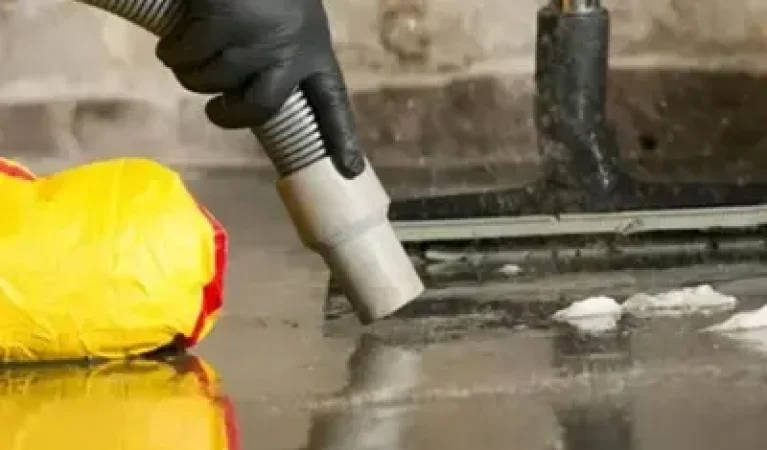
Water damage can happen unexpectedly and cause serious problems for your home or business. A burst pipe, leaking appliance, heavy rainfall, or flooding can damage walls, floors, ceilings, furniture, and electrical systems. Even a small amount of water can create bigger issues if you do not address it quickly. Taking the right steps immediately can reduce property damage, prevent mould growth, and protect your belongings.
Knowing what to do after water damage occurs helps you respond confidently and avoid unnecessary repair costs. Professional emergency water damage restoration services can also help you recover quickly and safely. If you experience flooding or leaks, acting promptly and contacting experienced professionals like Ideal Response can make a significant difference.
1. How Can You Ensure Everyone’s Safety First?
Your family’s or employees’ safety should always come first after water damage. Before inspecting the affected area, identify potential hazards that could cause injuries.
Water can come into contact with electrical outlets, appliances, and wiring. If you notice standing water near electrical equipment, avoid entering the area. Switch off the electricity only if you can reach the breaker safely without walking through water. Otherwise, contact a qualified electrician.
You should also watch for:
- Slippery floors and unstable surfaces.
- Damaged ceilings or weakened walls.
- Exposed electrical wires.
- Contaminated floodwater.
- Gas leaks or unusual smells.
Keep children and pets away from affected areas until professionals confirm that the property is safe.
2. Should You Stop the Source of Water Immediately?
Once everyone is safe, try to identify and stop the source of the water. Acting quickly can prevent additional water from entering your property.
For example, if a burst pipe causes the damage, turn off the main water supply. If a washing machine or dishwasher leaks, disconnect the appliance only when it is safe to do so. During heavy rainfall, check whether water enters through damaged roofs, windows, or doors.
However, never attempt repairs that involve electrical hazards, structural damage, or unsafe conditions.
Stopping the water source helps limit the affected area and makes the restoration process easier. It also allows restoration specialists to focus on removing existing moisture rather than dealing with continuous water leakage.
3. How Can You Document the Water Damage?
Before moving damaged belongings or starting the cleanup process, document the affected areas. Taking photographs and videos provides useful evidence for your insurance claim.
Capture clear images of:
- Water entering your property.
- Damaged walls, ceilings, and flooring.
- Wet furniture and household belongings.
- Damaged appliances and electronic equipment.
- Visible signs of mould or discolouration.
Make a list of damaged possessions and include their approximate purchase dates and values when possible.
Contact your insurance provider as soon as possible to understand your coverage and claim requirements. Keep receipts for emergency repairs, temporary accommodation, and professional restoration services.
Proper documentation helps simplify insurance discussions and provides a clear record of the damage.
4. Why Should You Remove Standing Water Quickly?
Standing water can cause additional damage every hour it remains inside your property. It can weaken flooring, damage wooden structures, stain walls, and affect electrical systems.
If the area is safe and the water is clean, you may remove small amounts using towels, buckets, or suitable wet-dry equipment. However, avoid handling contaminated floodwater yourself.
For extensive flooding, professional water extraction equipment provides a more effective solution. Restoration specialists use powerful pumps and extraction machines to remove large volumes of water from affected spaces.
Homeowners dealing with flood damage toronto should arrange professional assistance as soon as possible, especially when flooding affects basements, ground floors, or structural materials.
Quick water removal reduces the risk of long-term damage and prepares your property for proper drying.
5. How Can You Protect Your Furniture and Personal Belongings?
Water can quickly damage furniture, clothing, documents, electronics, and valuable personal items. Moving unaffected belongings away from wet areas can help prevent further losses.
If it is safe, follow these simple steps:
- Move furniture to a dry and well-ventilated area.
- Place aluminium foil or suitable protective barriers under furniture legs.
- Remove wet rugs and curtains.
- Keep important documents and photographs in a dry location.
- Separate wet belongings from unaffected items.
Avoid switching on wet electrical appliances or electronics. Let qualified professionals inspect them before use.
Some materials, including upholstered furniture and mattresses, can absorb significant moisture. Professional cleaning and drying may help save certain belongings, while heavily contaminated items may require disposal.
6. Why Is Professional Emergency Water Damage Restoration Important?
Water can travel behind walls, beneath flooring, and into insulation. Although visible water may disappear, hidden moisture can continue damaging your property.
Professional emergency water damage restoration services address both visible and hidden water damage. Trained technicians assess the affected areas, identify moisture levels, extract water, and use specialised drying equipment.
A professional restoration process generally includes:
Water Inspection: Technicians identify the source, category, and extent of water damage.
Water Extraction: Industrial pumps and extraction machines remove standing water.
Structural Drying: Air movers and dehumidifiers help remove moisture from walls, floors, and other materials.
Cleaning and Sanitisation: Specialists clean affected surfaces and address contamination when necessary.
Repairs and Restoration: Damaged materials receive appropriate repairs or replacement.
Choosing experienced professionals helps prevent recurring moisture problems and supports a safer recovery.
7. How Can You Prevent Mould Growth After Water Damage?
Mould can develop when moisture remains inside a property. Damp walls, carpets, ceilings, and insulation create favourable conditions for mould growth.
According to common restoration guidance, affected materials should be dried thoroughly, ideally within 24 to 48 hours, to reduce mould risks.
Open windows when outdoor conditions allow safe ventilation. Use suitable fans and dehumidifiers if the electrical system and surrounding environment are safe. Remove water-damaged materials that professionals identify as unsalvageable.
Do not paint over damp walls or cover wet flooring. These actions can trap moisture and allow hidden mould problems to develop.
If you notice musty smells, visible mould, or persistent dampness, arrange a professional assessment.
8. What Should You Look for When Hiring a Water Damage Restoration Company?
Choosing the right restoration company can make your recovery easier and more effective. Look for professionals who respond quickly, understand different types of water damage, and use appropriate restoration equipment.
Before hiring a company, consider the following factors:
- Emergency Availability: Choose a company that offers prompt emergency assistance.
- Industry Experience: Check its experience with residential and commercial water damage.
- Professional Equipment: Ensure technicians use suitable extraction and drying equipment.
- Clear Estimates: Request transparent pricing and a detailed explanation of the work.
- Customer Reviews: Read previous customer feedback to understand service quality.
Ideal Response understands the importance of timely restoration and professional property care. Working with experienced specialists helps you manage unexpected water damage and restore your property efficiently.
9. How Can You Reduce the Risk of Future Water Damage?
After completing the restoration process, take preventive measures to protect your property from future incidents.
Inspect plumbing connections, washing machine hoses, water heaters, and drainage systems regularly. Clean gutters and downspouts to direct rainwater away from your foundation. Check your roof for missing shingles and repair damaged windows or doors.
You can also consider installing water leak detection devices near appliances and plumbing connections. These devices can alert you to leaks before they cause extensive damage.
Regular property maintenance reduces the chances of unexpected flooding and helps protect your investment.
Conclusion: Why Should You Act Quickly After Water Damage?
Water damage requires immediate attention to protect your property, belongings, and personal safety. Start by identifying hazards, stopping the water source, documenting the damage, and removing standing water when it is safe. Most importantly, contact qualified professionals for thorough inspection, extraction, drying, and restoration.
Whether you experience a plumbing leak or serious flooding, quick action can reduce repair expenses and prevent long-term moisture problems. With reliable emergency support from Ideal Response, you can take the right steps towards restoring your property and maintaining a safe, healthy environment.