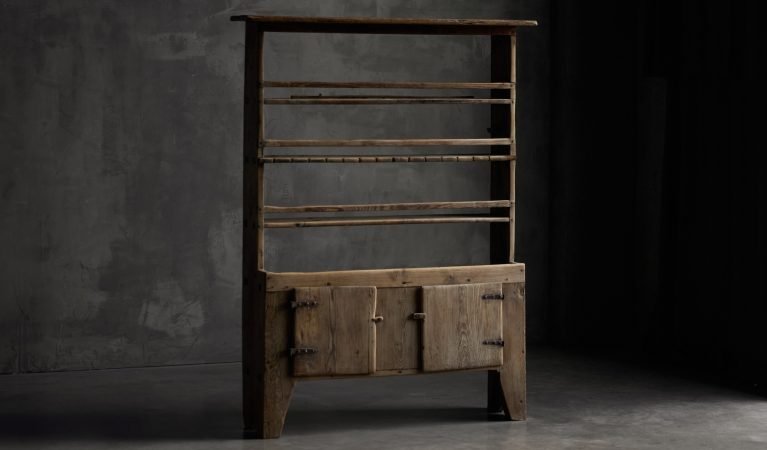
The language of interior design is constantly evolving, yet certain principles remain timeless. Folk art, craftsmanship, natural materials, and practical forms continue to influence how designers create meaningful spaces. Contemporary interiors increasingly draw from Vernacular traditions, combining regional craftsmanship with modern lifestyles. This approach allows furniture to retain cultural character while becoming relevant to sophisticated residential, hospitality, and commercial environments.
The simplicity of Alpine Design demonstrates how material and structure can define an interior without excessive decoration. Timber, stone, leather, and textured fabrics create a connection with nature while providing warmth and durability. This connection becomes particularly powerful when combined with Rural influences and Rustic Furniture, where visible craftsmanship and natural imperfections become central elements of the design language.
The philosophy of Wabi Sabi further emphasizes the beauty of authenticity. Instead of hiding variations in timber or signs of use, this approach allows materials to communicate their history. Furniture becomes more personal when every grain, edge, and surface has individual character. Such spaces often feel relaxed and authentic because they prioritize atmosphere and longevity over perfection.
Architectural thinking has also played a major role in developing this sensibility. Dom Hans van der Laan explored proportion and spatial harmony, demonstrating how restrained design can create a strong emotional presence. His ideas provide a useful foundation for interiors where furniture and architecture are intended to function as one composition.
The expressive qualities of the Amsterdamse School offer another perspective. Its combination of craftsmanship, geometry, sculptural details, and architectural ornamentation demonstrates how furniture can become an artistic component of an interior. Art Deco similarly transformed furniture into statements of sophistication through symmetry, geometric forms, rich materials, and carefully controlled detailing.
Modern furniture history brought a renewed emphasis on simplicity and usability. Mid-Century Design remains influential because it successfully combined practical function with elegant proportions. Its focus on organic forms, innovative construction, and comfortable furniture continues to shape contemporary interiors. Brazilian Design expanded this vocabulary by celebrating expressive woodwork, natural materials, and the relationship between architecture and landscape.
The work of Pierre Chapo demonstrates the enduring possibilities of solid timber. His furniture emphasizes structural strength while maintaining a sculptural quality. Charlotte Perriand approached design from another important perspective, considering furniture as part of a broader lifestyle. Her work connected architecture, comfort, functionality, and natural materials, creating environments designed around human experience.
These ideas are closely connected to Functional Art, where an object can serve a practical purpose while functioning as an artistic statement. A beautifully constructed table can define a dining area, while a sculptural chair can influence the character of an entire room. Jean Prouvé exemplified this relationship through engineering-focused furniture that combined efficiency, durability, and visual clarity.
The work of Afra & Tobia Scarpa similarly demonstrates how technical innovation can coexist with craftsmanship and comfort. Their furniture often combines sophisticated construction with tactile materials and carefully considered proportions. Mario Bellini contributed another distinctive approach, using expressive curves and generous forms to give furniture a strong architectural presence.
The influence of the Camaleonda demonstrates the continuing importance of flexibility in contemporary interiors. Modular seating can adapt to different room arrangements, making it suitable for changing lifestyles and multifunctional spaces. Its sculptural quality also demonstrates how comfort can become an important visual element.
The philosophy associated with Nakashima offers a deeper appreciation of natural timber. Rather than treating wood as a uniform material, his work celebrates grain, organic edges, knots, and natural irregularities. This approach aligns closely with contemporary interest in sustainable materials and furniture that expresses its origin.
Pierre Jeanneret provides another important reference through furniture that combines architectural geometry with practical construction. His designs demonstrate how strong proportions and honest materials can produce pieces that remain visually relevant decades after their creation. These historical influences continue to inform designers who value simplicity, craftsmanship, and durability.
Within this broader design conversation, Goldwood by Boris presents a distinctive perspective on furniture and interiors. The approach associated with boris devis focuses on character, materiality, and sculptural presence. Rather than treating furniture as an isolated decorative object, the emphasis is on how individual pieces interact with architecture, lighting, texture, and surrounding objects.
For collectors and homeowners exploring Goldwood by Boris furniture, this philosophy provides opportunities to introduce distinctive pieces into contemporary environments. Goldwood by Boris Antwerp connects the collection with a city recognized for creativity, architecture, art, and design. Through Goldwood by Boris interiors, furniture can become part of an environment where traditional references and contemporary aesthetics coexist naturally.
The identity of the Boris Devis designer reflects an appreciation for design that goes beyond temporary trends. A room can incorporate the material honesty of Nakashima, the sculptural qualities associated with Pierre Chapo, and the functional principles represented by Jean Prouvé while maintaining a distinctly contemporary atmosphere.
The Goldwood by Boris collection can therefore be viewed as part of a wider movement toward meaningful furniture. Its relationship with Folk art, Vernacular traditions, Alpine Design, and Wabi Sabi highlights the continuing importance of authenticity. Instead of creating interiors based solely on visual trends, designers can select furniture that contributes to a room’s story and develops greater character over time.
Ultimately, memorable interiors are created through thoughtful relationships between furniture, materials, architecture, and people. goldwoodbyboris demonstrates how carefully considered furniture can bring warmth, structure, and individuality to contemporary spaces. By combining craftsmanship with expressive forms, the collection connects historical design principles with modern living. goldwoodbyboris offers a perspective where furniture becomes more than an object: it becomes part of the atmosphere, identity, and lasting character of an interior.