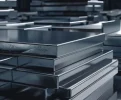
Stainless steel is a familiar sight in Singapore’s waterfront developments, commercial buildings and manufacturing facilities. Its corrosion resistance makes it a practical material for many demanding applications, but the performance of a finished installation depends on more than its grade. For professionals researching the term Stainless Steel Singapore, design and fabrication deserve as much attention as material selection.
A handrail that traps rainwater or a façade with inaccessible joints can develop problems despite being made from a suitable alloy. Considering drainage, surface condition and maintenance access before construction begins can reduce avoidable repairs and preserve the appearance of exposed components.
Understanding Environmental Exposure Before Material Selection
Exposure conditions can differ considerably across a single building. An external staircase facing the coast may collect airborne salt, while fittings inside an air-conditioned office experience relatively mild conditions. Sheltered outdoor surfaces can also accumulate deposits because rain cannot easily wash them away.
Grade 304 is appropriate for many protected applications. Grade 316 contains molybdenum, which improves resistance to chloride-induced pitting and crevice corrosion, although it does not eliminate these risks. Designers can consult this stainless steel grade comparison guide before specifying materials for different exposure conditions.
Industrial installations require further assessment. Chemical concentrations, operating temperatures and cleaning procedures can affect material suitability, so grade selection should reflect the actual service environment rather than geographic location alone.
Designing Components to Prevent Moisture and Contaminant Build-Up
Small changes to component geometry can make a considerable difference to maintenance requirements. Flat ledges, recessed fixings and narrow gaps may retain water and contaminants long after surrounding surfaces have dried.
External architectural panels should incorporate suitable drainage paths, while exposed horizontal surfaces can be sloped where the design permits. Connections should avoid unnecessary crevices, and hollow sections need appropriate detailing to prevent moisture becoming trapped inside.
For industrial equipment, designers should consider how operators will reach surfaces during cleaning and inspection. A narrow space behind a machine enclosure, for instance, may be difficult to maintain without dismantling adjacent components.
For exposed fixings, removable covers can also provide access for inspection without disturbing the surrounding structure. Resolving these details on engineering drawings is generally more practical than modifying completed assemblies after installation.
Selecting Suitable Product Forms, Thicknesses and Surface Finishes
Sheets are frequently used for cladding and equipment enclosures, whereas plates and bars may suit more substantial fabricated components. The required product form and thickness should follow structural calculations, manufacturing constraints and the intended application. Extra thickness is not a substitute for appropriate corrosion resistance.
The surface finish influences how readily contaminants can be removed. Smooth surfaces generally retain fewer deposits than rough ones. Where brushed finishes are specified for external panels, the grain direction should help water drain rather than encourage retention.
During material selection, designers can use Kian Huat Metal’s Stainless Steel Singapore resource to explore relevant product categories and processing options. Final dimensions, tolerances and finish requirements should be agreed with the fabricator before manufacturing begins.
Stainless Steel Singapore: Fabrication and Installation Considerations
Good fabrication practice protects the material’s surface throughout production. Grinding dust from nearby carbon steel work can introduce iron particles that subsequently rust, leaving stains on otherwise suitable stainless steel components. Dedicated tools and clean work surfaces help limit this contamination.
For welded assemblies, Grade 316L offers reduced susceptibility to sensitisation because of its lower carbon content. Nevertheless, appropriate welding procedures and suitable post-weld treatment remain necessary. Heat tint and the underlying chromium-depleted surface layer should be removed where required to restore corrosion resistance.
Installation details matter too. Connections involving dissimilar metals may require electrical isolation or other design measures where moisture creates conditions for galvanic corrosion. Protective coverings should be removed according to the manufacturer’s instructions to avoid adhesive residues or trapped contaminants.
Planning Maintenance and Long-Term Material Performance
Maintenance schedules should reflect the severity of exposure rather than follow a uniform interval across every installation. Waterfront railings and sheltered external panels may need more frequent cleaning than interior architectural fittings.
Routine cleaning with suitable mild detergents, clean water and non-abrasive equipment can remove accumulated deposits. Surfaces should be rinsed thoroughly, and cleaning products containing hypochlorite or other aggressive chlorides should not be used without confirming compatibility with the material and operating conditions.
Periodic inspections should concentrate on joints, fixings and areas where water tends to collect. Investigating recurrent staining can help distinguish surface contamination from more serious corrosion. Budgeting for safe cleaning access and inspection during the design stage can also prevent unnecessary maintenance expenditure later.
Conclusion
Durable stainless steel installations require coordinated decisions about material grades, component geometry, fabrication and maintenance. In Singapore’s tropical environment, attention to drainage and surface cleanliness is particularly valuable. By considering these details before manufacturing begins, construction and industrial professionals can reduce avoidable deterioration, simplify routine maintenance and make better use of their material investment throughout the installation’s service life.