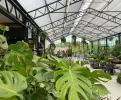
In today’s world, architecture and environmental conservation are becoming increasingly interconnected. Modern design is no longer limited to creating visually appealing spaces; it also focuses on protecting nature, promoting sustainability, and supporting biodiversity. Glasshouse Design represents an innovative approach that combines aesthetics, functionality, and a strong connection with the natural environment. When applied to conservation projects, these principles can help transform the way we Design Wildlife Sanctuary spaces that protect animals while providing meaningful experiences for visitors.
A thoughtfully planned wildlife sanctuary can serve as a safe habitat for wildlife, an educational destination, and a model of sustainable development. By incorporating environmentally responsible architectural concepts, designers can create spaces where nature and modern infrastructure coexist harmoniously.
Understanding the Importance of Glasshouse Design
Glasshouse architecture is widely appreciated for its ability to introduce natural light, create visual openness, and establish a connection between indoor and outdoor environments. Large glass panels, open layouts, and carefully planned structures allow people to experience their surroundings in a more immersive way.
When implementing Glasshouse Design in nature-inspired projects, it is essential to consider energy efficiency, ventilation, material selection, and the surrounding ecosystem. Using energy-efficient glazing, recycled materials, and passive cooling strategies can help reduce environmental impact.
In wildlife conservation settings, glass structures can be used for visitor interpretation centres, botanical exhibits, educational facilities, research spaces, and controlled plant environments. However, their placement and design must account for bird collisions, glare, heat gain, and potential disturbances to wildlife. Bird-safe glass, external shading, and appropriate landscaping can make these structures more environmentally responsible.
The objective is not simply to create an attractive building but to develop architecture that respects the natural environment and supports conservation goals.
How to Design a Wildlife Sanctuary Successfully
To Design Wildlife Sanctuary environments effectively, planners must begin with a clear understanding of the site’s ecological characteristics. Every sanctuary has unique requirements depending on its location, climate, vegetation, wildlife species, and conservation objectives.
1. Prioritise Natural Habitats
The foundation of every successful wildlife sanctuary is a healthy, protected habitat. Before introducing buildings or visitor facilities, designers should study the existing landscape, identify sensitive ecological zones, and understand animal movement patterns.
Native trees, shrubs, grasslands, wetlands, and water sources can provide food, shelter, and breeding areas for wildlife. Preserving existing vegetation and restoring degraded land are often more beneficial than extensively modifying the site.
Architectural development should remain secondary to habitat protection, ensuring that infrastructure does not fragment important wildlife corridors.
2. Integrate Sustainable Architecture
Sustainability should guide every stage of sanctuary planning, from site selection to construction and long-term maintenance. Glasshouse Design principles can support this approach through efficient daylighting, carefully oriented buildings, natural ventilation, and climate-responsive materials.
For example, a visitor centre with shaded glazing, roof overhangs, and natural ventilation can reduce reliance on artificial lighting and mechanical cooling. Rainwater harvesting, solar energy, and water-efficient fixtures can further minimise resource consumption.
Designers should also evaluate the full environmental impact of glass, steel, concrete, and other construction materials before choosing them for a project.
3. Create Wildlife-Friendly Visitor Experiences
A wildlife sanctuary should allow visitors to learn about nature without compromising animal welfare. Clearly defined walking trails, observation decks, guided safari routes, and educational centres can help people appreciate wildlife responsibly.
Visitor facilities should be positioned away from breeding areas, nesting grounds, and other sensitive habitats. Noise, artificial lighting, waste, and uncontrolled visitor movement must be carefully managed.
Well-designed observation areas can provide excellent wildlife viewing opportunities while maintaining safe distances between humans and animals. The goal is to encourage appreciation of wildlife rather than force animals to adapt to human activity.
The Role of Glasshouse Design in Conservation Education
Education is one of the most important functions of a modern wildlife sanctuary. Visitors who understand ecological relationships are more likely to support conservation initiatives and adopt environmentally responsible habits.
Glasshouse Design can enhance educational experiences by creating bright, welcoming spaces that connect indoor learning with the natural world. Interactive exhibits, native plant displays, environmental information panels, and sustainable building demonstrations can help visitors understand the importance of biodiversity.
For example, a sanctuary’s interpretation centre could feature exhibits about local ecosystems, endangered species, habitat restoration, and responsible tourism. A carefully designed indoor botanical space may also demonstrate how native plants support insects, birds, and other wildlife.
These facilities should complement outdoor conservation experiences rather than replace direct engagement with protected natural habitats.
Essential Design Considerations for a Modern Wildlife Sanctuary
Several factors should be evaluated before beginning a sanctuary design project.
Ecological assessment: Conduct biodiversity surveys and identify protected or sensitive areas before finalising the master plan.
Climate-responsive planning: Use locally appropriate materials, passive cooling, natural shading, and efficient water management systems.
Wildlife safety: Prevent unnecessary fencing barriers, minimise artificial light, and use bird-friendly glazing where glass structures are required.
Visitor management: Plan parking, walking routes, sanitation facilities, and educational zones to reduce disturbance to wildlife.
Long-term maintenance: Select durable materials and establish clear strategies for habitat monitoring, waste management, and infrastructure maintenance.
By addressing these considerations early, designers can create wildlife sanctuaries that remain functional, attractive, and environmentally responsible over time.
Benefits of Combining Architecture and Wildlife Conservation
Combining sustainable architecture with ecological planning offers several advantages. It can improve visitor education, reduce operational resource consumption, support local biodiversity, and demonstrate practical approaches to responsible development.
Thoughtfully planned facilities can also create opportunities for environmental research, community participation, and conservation awareness programmes. Local communities may benefit through employment, educational partnerships, and carefully managed ecotourism initiatives.
Nevertheless, every project must be evaluated according to its ecological context. Glasshouse structures and other modern architectural features are valuable only when they serve a genuine purpose and do not undermine the sanctuary’s primary conservation mission.
Conclusion
The future of sustainable architecture depends on finding meaningful ways to balance human needs with environmental protection. Glasshouse Design offers opportunities to create beautiful, functional, and energy-conscious spaces when its principles are applied with ecological sensitivity.
Similarly, to Design Wildlife Sanctuary environments successfully, architects and planners must prioritise habitat preservation, responsible visitor experiences, and long-term sustainability.
By bringing together innovative architecture, biodiversity conservation, and environmental education, wildlife sanctuaries can become inspiring examples of how development and nature can coexist. The ultimate measure of success is not the appearance of the buildings alone, but the sanctuary’s ability to protect wildlife, preserve ecosystems, and encourage future generations to care for the natural world.