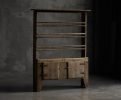
A room becomes memorable when its objects have a sense of identity. While contemporary furniture can provide comfort and practicality, vintage pieces often introduce another dimension: evidence of craftsmanship, design history, and changing cultural tastes. This combination makes 20th-century furniture particularly interesting for collectors and anyone seeking a more individual approach to interiors.
From refined cabinets and dining tables to sculptural seating, lighting, and decorative objects, collectible design can bring history into everyday spaces. Goldwood by Boris, based in Antwerp, Belgium, operates within this fascinating field, where furniture can be appreciated not only for its appearance but also for its materials, construction, and historical context.
Why Collectors Look to the 20th Century
The 20th century was an exceptionally productive period for furniture design. Designers had access to new manufacturing processes, materials, and technologies while also drawing inspiration from traditional craftsmanship.
Modernist principles encouraged simpler forms and functional solutions, while later movements challenged established ideas with experimental shapes, colors, and materials. Different regions developed distinctive approaches, creating a remarkably varied international design landscape.
For collectors, this variety makes the period especially rewarding. There are opportunities to focus on a particular decade, movement, designer, material, or simply a distinctive visual language.
Understanding the Difference Between Vintage and Collectible
Not every older object is necessarily a collectible design piece, and age alone does not determine significance. Collectibility can be influenced by design quality, craftsmanship, historical context, rarity, provenance, condition, and cultural relevance.
This does not mean that every collectible object needs to have a famous designer’s name attached to it. Anonymous or lesser-known pieces can also demonstrate excellent construction or distinctive design qualities.
The important step is to look beyond labels and examine the object itself. Its proportions, materials, construction, and relationship to its period can reveal considerable information.
Studying Materials and Construction
Furniture can be read almost like a technical document. Its materials and construction methods provide clues about how it was produced and what the designer intended.
Wooden furniture can be examined for veneer patterns, joinery, hardware, and finishing. Metal pieces may reveal fabrication techniques through their joints, welds, or surface treatments. Glass, textiles, and molded materials each offer their own visual and structural characteristics.
Learning to recognize these details can help collectors develop a more educated eye. It also creates greater appreciation for the craftspeople and manufacturers responsible for turning a design concept into a functional object.
Researching Design Names and Influences
Research gives furniture a deeper sense of place. A designer’s background, collaborations, influences, and manufacturing relationships can all help explain the qualities of a particular piece.
For readers researching boris devis, looking at the broader ecosystem of European furniture and collectible design can provide useful context. Names connected with the field are often best understood through the design movements, manufacturers, workshops, and cultural developments that surrounded them.
Good research can draw on catalogues, archival material, specialist publications, manufacturer records, labels, signatures, and physical examination. When information is uncertain, distinguishing documented facts from interpretation is an important part of responsible collecting.
The Value of Provenance and Documentation
Provenance can add another layer of information to a collectible object. Documentation relating to ownership, purchase history, original catalogues, or other records may help establish an item’s background.
However, many vintage objects have limited documentation. Collectors can still assess them through their physical characteristics, construction, materials, and comparison with documented examples.
A careful approach focuses on what can be supported while remaining open about what is not known. This is particularly useful when researching furniture that has changed hands several times over decades.
Vintage Furniture in Contemporary Spaces
One of the greatest strengths of 20th-century furniture is its ability to coexist with contemporary design. A historical object can provide contrast without making an interior feel old-fashioned.
Consider a streamlined wooden sideboard in a modern apartment or an expressive lounge chair placed against a neutral architectural backdrop. The combination of different periods can introduce warmth, texture, and visual rhythm.
Proportion is particularly important. A large piece can anchor a room, while smaller objects may work as accents. Allowing individual pieces enough space can also make their design details easier to appreciate.
Decorative Objects Complete the Story
Furniture is only one part of a collectible interior. Decorative objects can provide smaller opportunities to introduce design history.
Ceramics, mirrors, glass, lighting, sculpture, and other objects can add layers of texture and form. They can also help connect different pieces within a room through repeated materials, shapes, or colors.
Because decorative objects are generally easier to move and rearrange, they can evolve with an interior. A collection can therefore remain dynamic rather than becoming fixed.
Caring for Objects With History
Proper care helps ensure that vintage furniture remains functional and attractive. Different materials require different approaches, and collectors should avoid treatments that may damage original finishes or surfaces.
Condition should also be considered in context. Minor marks and patina can be natural parts of an object’s history, while structural damage may require professional attention.
When restoration is necessary, preserving original materials and design characteristics can be an important consideration. The goal is generally to respect the object’s identity while allowing it to remain useful.
Exploring Design Through Antwerp
Antwerp’s creative landscape makes it an engaging place for discovering furniture, art, architecture, and decorative design. The city provides a meeting point for historical European influences and contemporary creative practices.
For people interested in 20th-century furniture, Goldwood by Boris offers an opportunity to explore collectible pieces within this broader design culture. Examining furniture through craftsmanship, materials, and historical context can make the experience more informative and rewarding.
Developing a Personal Collection
A collection can begin with a single object that creates a strong connection. From there, interests may develop naturally.
Some collectors become fascinated by a specific designer or movement. Others discover that they prefer particular woods, metals, forms, or manufacturing techniques. There is no requirement for every object to match perfectly.
In fact, a collection with some variety can feel more authentic. The relationship between different pieces can create a visual conversation that reflects the collector’s individual interests.
Design That Lives Beyond Its Original Era
The enduring appeal of 20th-century furniture comes from its ability to remain useful and visually engaging long after its original production. Good design can adapt to new interiors, changing lifestyles, and different generations without losing its essential character.
For anyone beginning to explore collectible furniture, knowledge develops through observation and curiosity. Study the materials, investigate the history, consider condition, and pay attention to the details that distinguish one piece from another.
With time, these habits can transform collecting into a deeper appreciation of craftsmanship and design. Vintage furniture then becomes more than an interior choice—it becomes a way of keeping the ideas, skills, and creative spirit of earlier generations present in contemporary life.
Visit us:-Gravatar