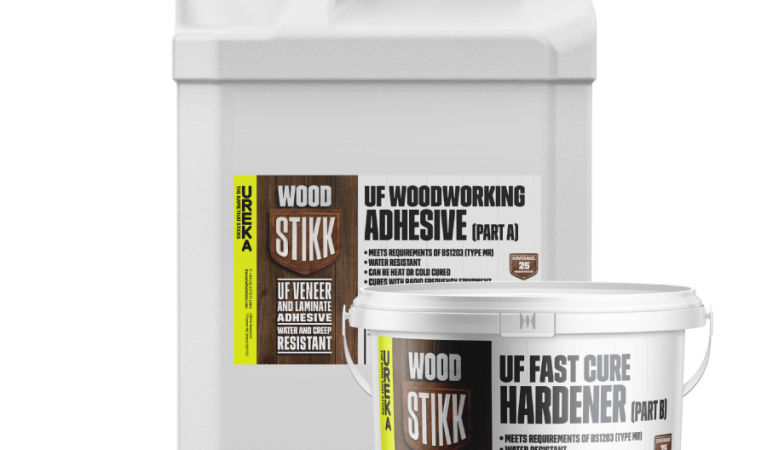
Adhesives play an important role in woodworking, furniture manufacturing, interior design, and metal fabrication. The right adhesive can improve strength, durability, appearance, and the overall quality of a finished project. Two applications that require careful adhesive selection are wood veneering and bonding aluminum. While both involve creating a strong bond between surfaces, the materials and working conditions are different. Understanding the properties of glue for veneering wood and aluminum adhesive can help professionals and DIY users achieve reliable results.
Understanding Glue for Veneering Wood
Wood veneer consists of thin sheets of natural or engineered wood applied over substrates such as plywood, MDF, particleboard, or other wood-based panels. Because veneer is thin and can be sensitive to moisture, pressure, and temperature, choosing a suitable adhesive is essential.
The right glue for veneering wood should provide strong adhesion while allowing the veneer to remain securely attached to the substrate. It should also minimize problems such as bubbling, lifting, cracking, or uneven bonding.
Different types of wood adhesives can be used depending on the project. PVA-based adhesives are popular for many woodworking applications because they are easy to apply and provide dependable bonding. Some projects may require specialized veneer adhesives designed for pressing, laminating, or larger commercial applications.
Factors to Consider When Selecting Wood Veneer Glue
Before choosing an adhesive, consider the type of veneer and substrate. Natural wood veneer, engineered veneer, and flexible veneer may have different bonding requirements. The surface should always be clean, dry, smooth, and free from dust or grease.
Open time is another important factor. An adhesive with adequate working time allows users to position the veneer correctly before pressure is applied. For larger panels, this can make the installation process much easier.
Curing time also matters. Some adhesives require clamping or pressing until the bond develops sufficient strength. Following the manufacturer’s recommended application thickness, pressure, and curing conditions can help produce a more consistent finish.
Why Surface Preparation Matters
Even the best glue for veneering wood cannot compensate for poor surface preparation. Before application, inspect both surfaces and remove dust, dirt, oil, and loose particles. Uneven substrates should be corrected before the veneer is installed.
Applying adhesive evenly is equally important. Too little adhesive can create weak areas, while excessive adhesive may cause squeeze-out, unevenness, or extended drying time. A consistent layer helps the veneer sit properly against the substrate.
Exploring Aluminum Adhesive
Aluminum is lightweight, corrosion-resistant, and widely used in construction, automotive applications, signage, furniture, electronics, and manufacturing. However, bonding aluminum can be more challenging than bonding porous materials such as wood.
A quality aluminum adhesive is designed to create a dependable bond between aluminum and another material, including aluminum, wood, plastics, composites, and certain metals. Depending on the application, epoxy, polyurethane, acrylic, or other specialized structural adhesives may be suitable.
The ideal product depends on factors such as load requirements, temperature exposure, flexibility, moisture, and the materials being joined.
Preparing Aluminum for Bonding
Surface preparation is especially important when working with aluminum. Aluminum naturally develops an oxide layer, which can affect adhesive performance. Cleaning the surface and removing contaminants can improve bonding.
In some applications, light abrasion may be used to create a suitable bonding surface. The surface should then be cleaned according to the adhesive manufacturer’s instructions. Users should avoid contaminating the prepared surface before applying the adhesive.
When using an aluminum adhesive, correct mixing and application are also essential for two-component products. Mixing the components in the recommended ratio helps the adhesive cure properly and achieve its intended strength.
Wood Veneering and Aluminum Bonding: Different Needs
Although both applications depend on strong adhesion, their requirements are different. Wood veneer bonding generally focuses on even coverage, appearance, flexibility, and resistance to lifting or bubbling. Aluminum bonding may focus more heavily on structural strength, temperature resistance, vibration resistance, and compatibility with non-porous surfaces.
Choosing an adhesive specifically suited to the materials can therefore produce better long-term results than relying on a general-purpose product.
Tips for Better Adhesive Results
Always read the technical information provided by the adhesive manufacturer before starting a project. Check the recommended substrates, curing conditions, application method, and safety instructions.
For veneer work, maintain consistent pressure and allow sufficient curing time. For aluminum bonding, pay particular attention to cleaning and surface preparation. In both cases, avoid moving the bonded components until the adhesive has developed adequate strength.
It is also wise to test the adhesive on a small sample before beginning a large project. A simple test can reveal compatibility or application issues before valuable materials are used.
Final Thoughts
Selecting the right adhesive is essential for creating durable and professional-looking results. A suitable glue for veneering wood can help create a smooth, secure bond between veneer and wood-based substrates, while a specialized aluminum adhesive can provide dependable adhesion for metal bonding applications.
By considering material compatibility, surface preparation, curing time, environmental conditions, and project requirements, users can select an adhesive that matches their specific needs. Whether working on furniture, cabinetry, interior panels, metal components, or custom fabrication, proper adhesive selection and application can make a significant difference in the strength and longevity of the finished project.