Why Thoughtful Furniture Choices Matter
A memorable interior is rarely defined by furniture alone. Its character emerges from the relationship between individual objects, architectural details, materials, and the people who use the space. Vintage furniture offers a particularly interesting way to develop this relationship, bringing historical references and distinctive craftsmanship into contemporary environments.
Throughout the 20th century, furniture designers explored new ideas about comfort, functionality, and visual expression. Changes in technology and manufacturing encouraged experimentation with timber, metal, glass, plastics, and textiles. The resulting designs ranged from restrained modernist forms to expressive sculptural creations, providing a rich source of inspiration for today’s interiors.
Vintage pieces remain relevant because they offer alternatives to uniform furnishing choices. A distinctive armchair, an elegantly proportioned cabinet, or an unusual decorative object can give a room an identity of its own. When selected carefully, these objects contribute both practical value and visual interest.
Exploring the Richness of 20th-Century Design
Understanding the historical context of furniture makes collecting more rewarding. Each design movement reflects particular ideas about society, technology, aesthetics, and everyday living.
Modernist Principles and Functional Beauty
Modernism brought greater attention to simplicity, structure, and the relationship between form and function. Furniture often featured clean lines, geometric arrangements, and a reduced use of ornamentation.
These principles remain useful in contemporary spaces. A modernist desk can create a calm working environment, while a streamlined sideboard can offer practical storage without dominating a room. The appeal lies in the careful balance between proportions, materials, and purpose.
Rather than appearing tied to a particular decorating trend, many modernist pieces can adapt to different settings. Their restrained forms make it possible to combine them with both traditional furnishings and contemporary accessories.
The Creativity of Mid-Century and Postmodern Design
Mid-century furniture introduced a broad range of innovative approaches to construction and shape. Designers experimented with bent plywood, moulded components, tubular steel, and organic silhouettes, seeking new ways to combine comfort with efficient production.
Later decades brought further experimentation. Postmodern furniture challenged established expectations through unusual proportions, contrasting colours, and playful references to historical styles. These pieces often function as visual statements as much as practical furnishings.
Such diversity allows collectors to explore different aesthetics without limiting themselves to a single period. A restrained wooden cabinet might provide balance for a more expressive chair, while a distinctive lamp could connect otherwise contrasting elements.
Recognising Quality in Vintage Furniture
A successful vintage purchase depends on more than appearance. Materials, construction, condition, and authenticity all influence an object’s suitability and long-term appeal.
Assessing Materials and Construction
Begin by examining the overall structure. Chairs and tables should be stable, drawers should move smoothly, and doors should operate correctly. Check joints, frames, edges, and surfaces for damage or signs of previous repairs.
The materials themselves can provide valuable information. Wood grain, metal finishes, upholstery techniques, and construction details may offer clues about how a piece was produced. However, manufacturing methods vary widely, so individual objects should be assessed within their appropriate context.
Wear requires careful interpretation. Minor marks can contribute to an object’s visual history, whereas loose joints, extensive moisture damage, or poorly executed alterations may affect its usability. Understanding this distinction helps buyers make more informed decisions.
Researching Authenticity and Provenance
Provenance describes an object’s documented history and can be particularly relevant when evaluating collectible design. Original labels, maker’s marks, signatures, archival references, and purchase records may help establish a piece’s origin.
Nevertheless, no single characteristic necessarily confirms authenticity. Similar furniture may have been produced by different manufacturers, and identifying marks can be absent from genuine vintage objects. Where attribution matters, reliable documentation or a qualified specialist’s assessment can provide additional clarity.
Restoration history also deserves attention. Refinishing, reupholstery, and replacement parts may affect originality, although appropriate restoration can improve functionality. Understanding these changes allows buyers to evaluate a piece according to their intended use and collecting priorities.
Goldwood by Boris: Discovering Vintage Design in Antwerp
Antwerp, Belgium, offers an inspiring setting for exploring the connections between historical furniture and contemporary interiors. Its wider creative culture encompasses architecture, visual arts, fashion, and design, providing an interesting context for people who value distinctive objects and individual expression.
Goldwood by Boris is an Antwerp-based business associated with vintage furniture, 20th-century design, and decorative objects. For design enthusiasts, exploring specialist businesses can be a useful way to discover furniture from different periods and develop a deeper understanding of the qualities that distinguish individual pieces.
The name boris devis may also be relevant to readers researching Goldwood by Boris and its connection with the vintage furniture sector. When investigating the background of a business or an individual, it is important to consult verifiable information and avoid drawing conclusions from an unconfirmed association.
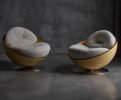
Exploring vintage design through knowledgeable sources can help prospective collectors identify their interests and refine their choices. Some may appreciate the understated elegance of modernist furniture, while others gravitate towards sculptural seating, expressive lighting, or decorative objects with unusual materials and forms.
The aim is to discover pieces that combine visual appeal with genuine suitability for their intended surroundings.
How to Build a Cohesive Interior With Vintage Pieces
Vintage furniture does not need to be surrounded by objects from the same period to feel at home. In fact, combining different design eras can produce interiors with greater depth and individuality.
Balance Contrasting Forms and Textures
A vintage wooden cabinet can soften a room with contemporary finishes, while a sculptural chair can introduce a striking silhouette beside a simple sofa. Metal lighting, glass accessories, and natural textiles offer further opportunities to create contrast.
Colour provides another useful connection. Neutral surroundings can allow an expressive piece to stand out, while a room with stronger colours may benefit from furniture featuring natural finishes or restrained proportions.
Consider scale when arranging these elements. A large cabinet may anchor a room, whereas smaller decorative objects can create interest on shelves or side tables. Leaving sufficient space around distinctive pieces helps preserve a sense of balance.
Choose Furniture That Supports Everyday Living
A visually appealing object should also meet practical requirements. Before purchasing, consider dimensions, comfort, storage, accessibility, and the demands of the intended environment.
Older furniture may require additional maintenance, particularly when it features delicate finishes or original upholstery. Understanding these requirements in advance helps ensure that a piece can be enjoyed rather than becoming difficult to maintain.
Thoughtful placement can also protect valuable objects. Furniture exposed to intense sunlight, excessive humidity, or heavy everyday use may require additional precautions depending on its materials and condition.
Preserving Design Heritage Through Responsible Care
Vintage furniture connects present-day interiors with the craftsmanship and ideas of earlier generations. Appropriate care helps preserve this connection while extending an object’s useful life.
Use cleaning methods suited to the specific material and finish, and avoid aggressive treatments when the surface is unfamiliar. Wooden furniture often benefits from stable indoor conditions, while upholstery should be maintained according to its fabric and construction.
When restoration is necessary, seek professional advice for structural repairs or delicate surfaces. The appropriate approach depends on the object’s condition, historical interest, and intended function. Preserving original details where practical can help maintain its character.
Collecting With Knowledge and Individual Purpose
Building a collection is a gradual process shaped by curiosity, research, and experience. Reading about design movements, studying documented examples, and comparing furniture from different periods can help enthusiasts develop a more discerning eye.
Market value is another consideration, but vintage furniture should not be treated as a guaranteed financial investment. Condition, authenticity, provenance, rarity, and changing demand all influence prices. Personal enjoyment and practical suitability remain important reasons to collect.
Ultimately, the appeal of vintage furniture lies in its ability to connect design history with modern life. Each carefully chosen object can introduce craftsmanship, visual character, and a distinctive perspective into a contemporary interior.
For those interested in exploring collectible design in Antwerp, Goldwood by Boris is a relevant name within the broader world of vintage furniture and decorative objects. With careful research and a thoughtful approach to selection, collectors can create spaces that reflect individual taste while celebrating the enduring creativity of 20th-century design.