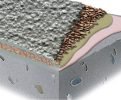
Home improvement and landscaping projects often depend on one thing that is easy to overlook: choosing the right adhesive. Whether you are creating an attractive brick-slip feature wall or installing artificial grass, the adhesive you select can have a major impact on the final result. Two products designed for very different applications are brick slip adhesive and turf glue. Understanding how each works can help you achieve a cleaner finish, stronger bond, and longer-lasting installation.
What Is Brick Slip Adhesive?
Brick slips are thin sections of brick used to create the appearance of traditional masonry without requiring a full brick wall. They are popular for interior feature walls, fireplaces, exterior surfaces, renovations, and commercial projects. Because brick slips need to remain securely attached to their surface, choosing a suitable brick slip adhesive is essential.
A quality adhesive is formulated to provide a strong bond between the brick slip and the prepared substrate. It should also be suitable for the conditions where the slips will be installed. Interior applications may have different requirements from outdoor walls exposed to rain, temperature changes, and moisture.
Using the correct adhesive can make installation easier while helping prevent problems such as loose slips, cracking, or movement. It is also important to follow the manufacturer’s preparation and application recommendations rather than assuming that one adhesive is suitable for every surface.
Why Surface Preparation Matters
Even the best adhesive cannot compensate for poor surface preparation. Before applying brick slip adhesive, the surface should be clean, stable, and free from dust, grease, loose paint, and other contaminants. Uneven or damaged surfaces may also need attention before installation begins.
The condition of the substrate can influence how effectively the adhesive bonds. A properly prepared surface gives the adhesive a better opportunity to create consistent contact with the brick slips.
It is equally important to plan the layout before fixing the slips. Marking reference lines and checking spacing can help create a professional appearance. Taking a little extra time during preparation can reduce adjustments later and improve the overall finish.
Artificial grass has become a popular option for gardens, balconies, terraces, play areas, commercial landscapes, and other outdoor spaces. While artificial turf can provide a neat and low-maintenance surface, correct installation is important for keeping the edges and joins secure. This is where turf glue becomes useful.
Turf adhesive is specifically designed for bonding artificial grass to suitable surfaces or securing joins between sections of synthetic turf. A reliable product can help keep the turf in position and reduce unwanted movement, particularly around seams and edges.
Different artificial grass installations may require different bonding methods. For example, a small decorative area may have different requirements from a large garden or commercial landscape. The adhesive should therefore be selected according to the project, substrate, environmental conditions, and manufacturer’s recommendations.
Benefits of Using the Right Turf Adhesive
One of the biggest advantages of turf glue is improved stability. When artificial grass is properly secured, it is less likely to shift during everyday use. This can be particularly important in areas where people walk frequently, children play, or garden furniture is regularly moved.
A suitable adhesive can also contribute to a cleaner-looking installation. Secure joins are less noticeable, helping separate pieces of artificial grass appear more like one continuous surface.
Outdoor conditions should also be considered. Artificial turf can experience rain, sunlight, temperature changes, and regular foot traffic. Choosing an adhesive designed for the intended application can help the installation cope with these demands.
Choosing Between Different Adhesive Products
Not all adhesives are interchangeable. Brick slip adhesive is developed for masonry-related applications, while turf glue is intended for synthetic turf installation. Using a product outside its intended purpose can result in poor adhesion or premature failure.
When selecting an adhesive, consider the material being bonded, the surface underneath, whether the project is indoors or outdoors, and the conditions the finished installation will experience. Application temperature, curing time, coverage, and moisture resistance may also be important factors.
Always read the technical information provided by the manufacturer. Product instructions can provide valuable information about preparation, application thickness, drying times, storage, and suitable substrates.
Tips for a Successful Installation
A successful adhesive installation begins with preparation. Keep the working area clean and make sure the surfaces are suitable before starting. Measure materials carefully to avoid unnecessary waste, and allow sufficient time for the adhesive to cure.
For brick slips, check alignment regularly as you work. For artificial grass, pay particular attention to seams and perimeter areas where movement can become noticeable.
Avoid rushing the curing process. Even when an adhesive feels secure, it may require additional time to reach its full bond strength. Protecting the installation during this period can help produce better long-term results.
Final Thoughts
Adhesive may seem like a small part of a renovation or landscaping project, but it can have a significant influence on durability and appearance. The right brick slip adhesive can help create a secure and attractive masonry finish, while quality turf glue can help artificial grass remain stable and neatly joined.
By choosing an adhesive suited to the material, preparing the surface properly, and following the manufacturer’s instructions, you can avoid many common installation problems. Whether you are transforming an interior wall with brick slips or upgrading an outdoor area with artificial turf, using the correct bonding solution is an important step toward achieving a professional and lasting finish.