Vintage furniture offers something that newly manufactured pieces cannot always provide: a direct connection to another period of design. Every material, construction detail, surface, and proportion can reveal something about the ideas and techniques that shaped an object. For collectors and interior enthusiasts, this makes 20th-century furniture an especially rewarding field to explore.
From elegant seating and practical storage to sculptural lighting and decorative objects, designs from the previous century continue to influence contemporary interiors. Antwerp, with its strong relationship to art, architecture, fashion, and design, provides a natural setting for discovering this history. Among the businesses engaging with this field is Goldwood by Boris, which focuses on 20th-century furniture, vintage pieces, collectible design, and decorative objects.
Understanding the Language of 20th-Century Design
The 20th century cannot be reduced to one particular furniture style. It encompasses numerous movements and changing approaches to form, function, and production.
Early modernist designers often explored simplicity, geometry, and the relationship between structure and use. Mid-century furniture introduced combinations of natural materials and industrial techniques, while later decades saw designers experiment with bold colors, unconventional shapes, plastics, metal, and increasingly expressive forms.
Learning to recognize these differences can transform the way a person views vintage furniture. A chair is no longer simply a chair; its shape may reveal changing ideas about ergonomics, manufacturing, social habits, or architectural space.
This historical perspective is useful for both experienced collectors and newcomers. It allows people to develop preferences based on knowledge rather than short-term trends.
Looking Closely at Construction
A furniture piece can communicate its quality through details that are easy to overlook. Joinery, hardware, upholstery, surface treatment, and material selection all contribute to the character of an object.
Wooden furniture, for example, can reveal craftsmanship through the way components are joined and finished. Metal furniture may demonstrate how designers incorporated industrial production into domestic environments. Upholstered pieces can reveal different approaches to comfort, proportion, and construction.
Examining these details is particularly important when buying vintage furniture. Age alone does not determine quality, and visual appeal is only one part of the assessment. Understanding how an object was made can provide a more complete picture of its significance.
Patina, Condition, and Restoration
One of the distinctive qualities of vintage furniture is its relationship with time. Surfaces may develop subtle variations in color and texture as materials age. Wood can become richer in appearance, metal can change character, and upholstery may show evidence of previous use.
Such changes can contribute to an object’s identity. However, condition should still be considered carefully. Structural stability, previous repairs, replacement components, and alterations can all influence how a piece should be evaluated.
Restoration can be appropriate when it preserves usability while respecting the object’s original character. In other cases, minimal intervention may be preferable. The right approach depends on the piece, its materials, its condition, and its historical importance.
For collectors, the objective is not always to make an old object appear new. Often, the greater value lies in preserving the qualities that demonstrate its age and history.
Choosing Pieces for Contemporary Spaces
Vintage furniture can create a strong visual connection between different periods. A contemporary interior can become more personal when carefully selected historic pieces are introduced into the space.
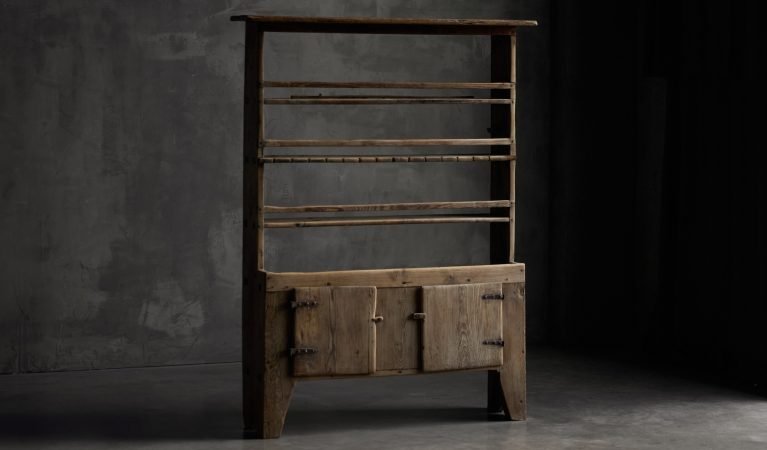
A sculptural chair can add an architectural quality to a quiet room. A vintage cabinet can introduce warmth through wood grain and craftsmanship. A distinctive lamp or decorative object can provide a small but effective point of contrast.
Successful interiors do not necessarily depend on matching every element. Instead, differences in scale, texture, material, and silhouette can create a layered composition. This makes collectible furniture particularly versatile for contemporary homes, hospitality spaces, offices, and creative environments.
Developing an Informed Eye
Collecting design is a gradual learning process. Looking at furniture in person, studying designers and manufacturers, reading historical references, and comparing construction techniques can all help develop a more informed eye.
It is also useful to consider why a particular object creates an emotional or visual response. Sometimes the attraction comes from its proportions; in other cases, it may be the material, craftsmanship, color, or unusual form. Identifying these qualities can help collectors build a more coherent personal approach.
The perspective associated with boris devis highlights the importance of engaging with furniture as design rather than treating it simply as decoration. For those exploring collectible pieces in Antwerp, Goldwood by Boris offers an opportunity to encounter furniture and objects connected to the varied design culture of the 20th century.
Collecting With Purpose
A meaningful collection does not have to be extensive. A small number of carefully considered objects can have a greater impact than a room filled with pieces chosen without a clear connection.
Collectors may focus on a particular period, material, designer, or category, while others prefer to build a collection organically around objects they find compelling. There is no single correct approach. The important consideration is to understand what makes each acquisition worthwhile.
Vintage furniture can also encourage a more sustainable relationship with interiors by giving existing objects continued relevance rather than treating furniture as disposable. When well maintained, many pieces can remain useful and visually compelling for generations.
The Continuing Appeal of Design History
The lasting attraction of 20th-century furniture comes from its combination of function, craftsmanship, innovation, and cultural history. These objects were created for particular moments, yet many continue to work remarkably well in today’s interiors.
Exploring vintage furniture therefore offers more than an opportunity to find distinctive pieces. It provides a way to understand how designers responded to changing technologies, materials, lifestyles, and ideas.
For anyone beginning or expanding a collection, approaching furniture with curiosity and attention to detail can make the experience considerably richer. Through businesses such as Goldwood by Boris, historic design can continue to be discovered, appreciated, and integrated into contemporary life while retaining the character that made these objects distinctive in the first place.