Children who wear a palate expander need regular orthodontic appointments so the orthodontist can monitor jaw development, tooth movement, and the appliance itself. A palate expander kids gradually widens the upper jaw to create more space and improve the relationship between the upper and lower teeth.
Most children visit their orthodontist every few weeks during the active expansion stage, although the exact schedule depends on their age, growth pattern, treatment plan, and type of expander. Parents should follow the appointment schedule recommended by their orthodontist rather than relying on a fixed timeline.
Regular visits also allow the orthodontist to identify problems early. If the appliance feels loose, causes unusual discomfort, or develops another issue, the orthodontist can make adjustments before the problem affects treatment progress.
How Often Should Kids With a Palate Expander See an Orthodontist?
Children commonly return for checkups every 2 to 4 weeks while their orthodontist actively monitors expansion. However, some treatment plans may require visits more or less frequently.
During these appointments, the orthodontist may check:
- How much the upper jaw has expanded
- Whether the appliance fits correctly
- How the teeth are responding
- Whether the child is comfortable
- The condition of the gums and surrounding tissues
- Whether additional adjustments are necessary
- Whether the expansion has reached the planned level
Once the active expansion stage ends, appointments may become less frequent. The orthodontist may keep the expander in place for a period of time to allow the surrounding bone and tissues to adapt to the new jaw position.
What Happens During a Palate Expander Checkup?
A palate expander appointment usually involves a straightforward examination. The orthodontist examines the appliance and the child’s mouth to determine whether treatment is progressing as expected.
The orthodontist may ask the child about pressure, soreness, eating, speaking, or cleaning. The team may also check whether the appliance remains secure and whether food or plaque has accumulated around it.
In some cases, the orthodontist may make a small adjustment or provide instructions for continued activation. Parents should never change the activation schedule unless the orthodontist specifically recommends it.
These routine visits help keep treatment predictable and comfortable.
How Long Do Kids Usually Wear a Palate Expander?
The length of palate-expander treatment varies from child to child. Some children may use an expander for several months, while others may require a longer period depending on their orthodontic needs and growth.
Treatment generally includes an active expansion phase followed by a stabilization period. During the active phase, the appliance gradually widens the upper jaw. During stabilization, the orthodontist allows the new position to become more stable.
Because every child’s development differs, an orthodontist evaluates progress rather than following a one-size-fits-all schedule.
What Signs Mean a Child May Need an Earlier Orthodontic Visit?
Parents should contact the orthodontic office if the child experiences a significant problem with the appliance. Waiting for the next scheduled appointment may not be appropriate when an expander becomes damaged or uncomfortable.
Contact the orthodontist if:
- The expander becomes loose
- A part of the appliance breaks
- The child develops persistent or unusual pain
- The appliance irritates the cheeks or gums
- The child cannot eat or speak comfortably because of the appliance
- The appliance appears to shift
- The child cannot follow the prescribed activation instructions
Minor pressure can occur during expansion, especially after an adjustment. However, parents should ask the orthodontist about persistent or severe discomfort rather than assuming it is normal.
How Can Parents Help Kids Care for a Palate Expander?
Good oral hygiene plays an important role during palate-expander treatment. Food can become trapped around the appliance, creating an environment where plaque can accumulate.
Parents can encourage children to brush carefully around the expander and follow the cleaning instructions provided by their orthodontic team. Depending on the appliance, the orthodontist may recommend specific brushing techniques or additional cleaning tools.
Children should also continue regular dental checkups with their general dentist. Orthodontic appointments and routine dental visits serve different purposes. The orthodontist focuses on tooth and jaw alignment, while the general dentist monitors overall oral health, including cavities and gum health.
Can a Palate Expander Improve a Child’s Orthodontic Development?
A palate expander can help create additional space in the upper jaw when a child has a narrow upper arch or certain bite-development concerns. By widening the upper jaw during growth, orthodontists can address specific structural issues as part of a broader treatment plan.
The benefits depend on the child’s individual anatomy and timing of treatment. An orthodontist evaluates growth and dental development before recommending an expander.
Early evaluation can also help orthodontists identify developing bite problems before they become more complicated. This does not mean every child needs early orthodontic treatment, but an assessment can provide useful information about future dental development.
When Should Parents Look for an Invisalign Dentist Near Me?
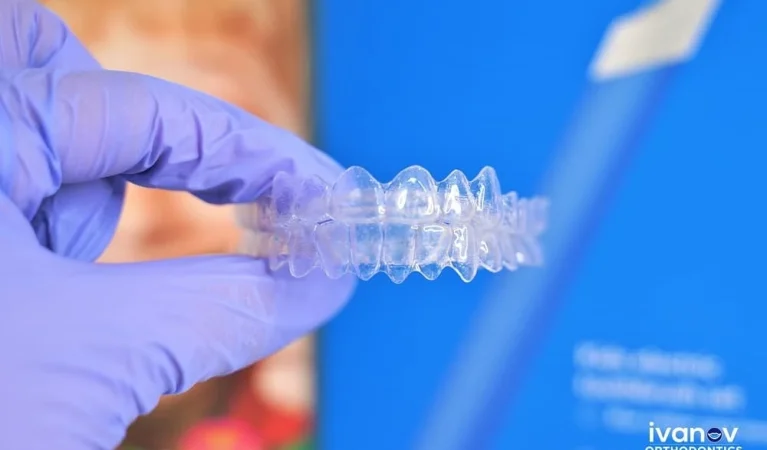
Parents may search for an Invisalign dentist near me when their child or teenager needs an orthodontic evaluation involving clear aligners. Invisalign treatment and palate expansion address different orthodontic needs, although an orthodontist may incorporate different approaches into an overall treatment plan.
Clear aligners can help move teeth in appropriate candidates, while a palate expander focuses on widening the upper jaw. The right approach depends on the child’s age, jaw development, tooth position, bite, and treatment goals.
When searching for an Invisalign dentist near me, parents should consider the provider’s experience treating children and teenagers, the range of orthodontic treatments offered, and the availability of personalized evaluations.
How Does Palate Expander Treatment Differ for Younger Children?
Age and growth can significantly influence palate-expander treatment. Younger children often have developing jaws, which can make certain forms of expansion more suitable than they may be for older patients.
An orthodontist evaluates the child’s growth stage before recommending treatment. The orthodontist also considers the condition of the upper jaw, dental development, bite, and overall orthodontic needs.
For palate expander kids, regular monitoring becomes especially important because the orthodontist needs to evaluate how the developing jaw responds over time.
How Can Ivanov Orthodontic Experts Support Kids During Expansion?
Choosing an experienced orthodontic team can make the treatment process easier for both children and parents. Ivanov Orthodontic Experts can evaluate a child’s orthodontic development and create a treatment plan based on individual needs.
Parents can use orthodontic appointments as an opportunity to ask questions about activation schedules, cleaning routines, expected changes, and the next stage of treatment. Clear communication helps children understand what is happening and feel more comfortable throughout the process.
What Should Parents Expect After the Active Expansion Stage?
After the orthodontist reaches the desired amount of expansion, the child may continue wearing the appliance for stabilization. The orthodontist will monitor the upper jaw and teeth during follow-up appointments.
The frequency of visits may decrease during this stage. However, parents should continue attending scheduled appointments because the orthodontist needs to confirm that the treatment remains stable.
The orthodontist may eventually recommend removing the expander and beginning another phase of orthodontic treatment if necessary. Some children may need braces or clear aligners later to improve tooth alignment.
How Can Parents Keep Palate Expander Treatment on Track?
Parents can support successful treatment by following the orthodontist’s instructions carefully. They should maintain scheduled appointments, help younger children clean around the appliance, and report problems promptly.
Children should also understand why they need to follow their treatment instructions. Making oral care part of their daily routine can help them take greater responsibility as they become more comfortable with the appliance.
Ivanov Orthodontic Experts can provide guidance throughout the treatment process and help parents understand what to expect at each stage.
How Often Should Kids Visit the Orthodontist With a Palate Expander?
In many cases, children with an active palate expander have orthodontic appointments every 2 to 4 weeks, but the appropriate schedule varies by treatment plan. Some children may need more frequent monitoring, while others may transition to longer intervals after active expansion ends.
The most important step is to follow the orthodontist’s personalized schedule. Regular appointments allow the orthodontist to monitor jaw development, make necessary adjustments, address appliance problems, and determine when the next phase of treatment should begin.
For parents considering palate expander kids treatment or searching for an Invisalign dentist near me, an orthodontic consultation can provide clear answers based on the child’s individual dental and facial development.