Organizations that rely on Oracle software often choose an Unlimited License Agreement (ULA) to simplify software licensing and support business growth. However, when the agreement reaches its expiration date, businesses must complete the certification process to accurately report software deployments. Understanding Oracle Ula Certification and meeting Oracle Ula Certification Requirements is essential to avoid compliance issues, unexpected licensing costs, and future legal complications.
The certification process is not simply an administrative task. It requires careful planning, accurate data collection, and a deep understanding of Oracle licensing policies. Businesses that prepare well can maximize the value of their ULA while ensuring they remain fully compliant after the agreement ends.
What Is Oracle Ula Certification?
Oracle Ula Certification is the formal process of declaring all eligible Oracle software deployments at the end of an Unlimited License Agreement. During this process, organizations provide Oracle with verified deployment information that determines the perpetual licenses they will retain after the ULA expires.
Once certification is completed successfully, the unlimited deployment rights end, and the certified licenses become fixed. This means any additional software installations beyond the certified quantities may require new licensing agreements. Therefore, accuracy throughout the certification process is extremely important.
Many organizations underestimate the complexity involved, making early preparation one of the best strategies for a successful outcome.
Why Understanding Oracle Ula Certification Requirements Matters
Meeting Oracle Ula Certification Requirements involves much more than counting software installations. Organizations must verify that every deployment qualifies under the terms of their agreement while ensuring accurate inventory records.
Typical requirements include:
Comprehensive discovery of Oracle software deployments
Verification of hardware and virtualization environments
Identification of eligible products covered under the ULA
Accurate usage reporting
Proper documentation supporting deployment data
Internal validation before submission to Oracle
Failure to satisfy Oracle Ula Certification Requirements can result in licensing disputes, unexpected financial liabilities, or compliance audits after the agreement concludes.
Preparing for Certification
Preparation should ideally begin at least 12 months before the ULA expiration date. Early planning provides sufficient time to identify deployment gaps, resolve inconsistencies, and optimize software usage.
Key preparation activities include:
Performing a complete software inventory
Reviewing Oracle contracts thoroughly
Validating virtualization environments
Confirming eligible software products
Identifying unused or duplicate installations
Creating detailed deployment documentation
Organizations that wait until the final weeks often encounter unnecessary pressure and increased compliance risks.
Common Challenges During Oracle Ula Certification
Although every organization has unique infrastructure, several common challenges appear during Oracle Ula Certification.
One major issue involves incomplete asset inventories. Many businesses operate across multiple data centers, cloud platforms, and virtual environments, making accurate software discovery difficult.
Another challenge is misunderstanding Oracle licensing metrics. Different Oracle products may use processors, named users, or other measurement methods, requiring careful evaluation.
Virtualization technologies can also introduce complexity. Some virtualization platforms may impact licensing calculations depending on Oracle’s licensing policies.
Additionally, mergers, acquisitions, and infrastructure changes during the ULA period often create licensing uncertainties that require expert analysis.
Best Practices for Meeting Oracle Ula Certification Requirements
Organizations can improve their certification outcomes by following several proven best practices.
Begin with regular software asset management throughout the ULA period instead of waiting until expiration. Continuous monitoring helps maintain accurate deployment records.
Establish cross-functional collaboration between IT, procurement, legal, and software asset management teams. Each department contributes valuable information required for successful certification.
Conduct internal licensing reviews before engaging with Oracle. Independent assessments often identify potential issues early enough to implement corrective actions.
Maintain organized documentation for all Oracle deployments, infrastructure changes, and licensing decisions. Strong documentation supports compliance during certification and future audits.
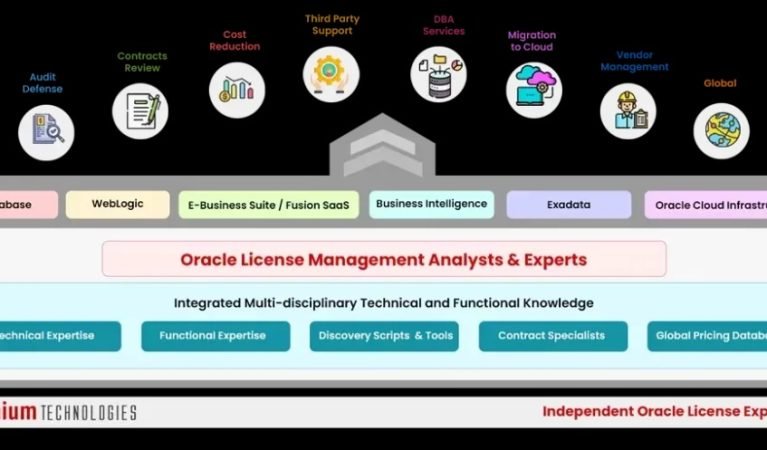
Working with experienced licensing specialists can also simplify the entire process. Rythium Technologies LLP assists organizations in evaluating licensing environments, preparing accurate deployment reports, and reducing certification risks through structured compliance strategies.
Avoiding Costly Mistakes
Several mistakes can significantly affect certification outcomes.
Some organizations overlook software installed in disaster recovery environments or cloud infrastructure. Others mistakenly include products not covered under the ULA agreement.
Incomplete deployment discovery is another frequent problem. Missing installations may reduce the number of perpetual licenses received after certification.
Poor documentation can delay certification and create unnecessary discussions with Oracle regarding reported usage.
A structured certification plan significantly reduces these risks while improving confidence throughout the process.
The Value of Expert Guidance
Oracle licensing is highly specialized, and certification often involves technical, contractual, and operational considerations. Businesses with complex IT environments benefit from independent licensing expertise that helps validate deployment data before submission.
Professional guidance can assist with infrastructure assessments, contract interpretation, licensing optimization, compliance reviews, and accurate reporting aligned with Oracle Ula Certification Requirements.
With the right preparation and experienced support, organizations can transition smoothly from an Unlimited License Agreement to perpetual licensing while minimizing compliance risks. Rythium Technologies LLP helps businesses navigate this critical phase through comprehensive licensing assessments and strategic Oracle compliance services.
Conclusion
Completing Oracle Ula Certification successfully requires careful planning, accurate software discovery, and a complete understanding of Oracle Ula Certification Requirements. Organizations that begin preparation early, maintain reliable documentation, and conduct thorough internal reviews are better positioned to achieve a smooth certification process.
Rather than viewing certification as the end of an agreement, businesses should treat it as an opportunity to optimize software assets, strengthen compliance practices, and establish a solid foundation for future Oracle licensing decisions. A proactive approach ultimately reduces financial risk while ensuring long-term operational confidence.