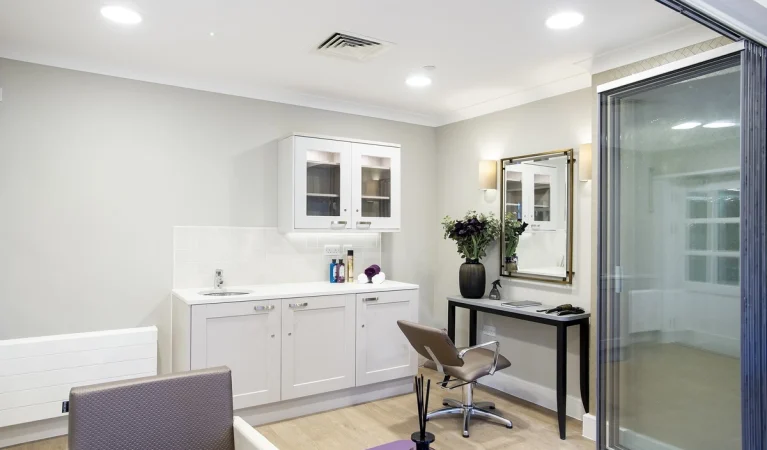
Technology is transforming the way developers approach later living construction projects. Today, builders no longer focus only on physical structures—they also prioritize smart, efficient, and resident-friendly environments. By integrating advanced tools and systems, nursing home builders create spaces that improve comfort, safety, and quality of life for older adults.
Modern developments rely on digital planning tools, smart home automation, and energy-efficient systems. These innovations help streamline construction processes while ensuring that facilities meet the evolving needs of residents. As a result, later living construction has become more precise, cost-effective, and future-ready.
How Do Smart Home Technologies Improve Resident Comfort?
Smart home technology plays a crucial role in enhancing comfort in later living spaces. Features such as automated lighting, temperature control, and voice-activated assistants allow residents to manage their environment effortlessly.
For example, motion-sensor lighting reduces the risk of falls, while smart thermostats maintain consistent indoor temperatures. These systems provide convenience and independence, which are essential for seniors. Nursing home builders now integrate these technologies during the design phase to ensure seamless functionality.
Additionally, smart appliances and connected devices help caregivers monitor daily activities without being intrusive. This balance between independence and support significantly improves residents’ overall experience.
Can Digital Design Tools Improve Construction Efficiency?
Yes, digital design tools have revolutionized the planning and execution of later living construction projects. Technologies like Building Information Modeling (BIM) allow architects and engineers to create detailed 3D models before construction begins.
These models help identify potential issues early, reducing costly errors and delays. Builders can also simulate different design scenarios to optimize space utilization and accessibility. This ensures that every area meets the specific needs of elderly residents.
Companies like Care Home Builders use advanced design tools to deliver high-quality projects efficiently. By adopting these technologies, they ensure that each development aligns with modern standards and client expectations.
How Does Technology Enhance Safety in Later Living Developments?
Safety is a top priority in any later living facility, and technology significantly improves it. Advanced surveillance systems, emergency call buttons, and fall detection sensors provide real-time monitoring and quick response capabilities.
For instance, wearable devices can alert staff if a resident falls or experiences a medical emergency. Similarly, smart door systems and access controls prevent unauthorized entry, ensuring a secure environment.
In later living construction, builders now incorporate these safety features as standard components rather than optional add-ons. This proactive approach helps reduce risks and enhances peace of mind for both residents and their families.
What Is the Impact of Energy-Efficient Technologies?
Energy efficiency is another area where technology plays a vital role. Modern later living construction projects use sustainable materials, solar panels, and energy-efficient HVAC systems to reduce environmental impact.
These technologies not only lower operational costs but also create healthier living environments. Proper ventilation systems improve air quality, while energy-efficient lighting reduces eye strain and enhances visibility.
Nursing home builders increasingly focus on green building practices to meet regulatory standards and sustainability goals. This approach benefits both developers and residents by promoting long-term cost savings and environmental responsibility.
How Do Communication Technologies Support Better Care?
Effective communication is essential in later living facilities, and technology makes it easier than ever. Digital communication systems enable seamless interaction between residents, caregivers, and family members.
Video calling platforms, mobile apps, and centralized communication systems help residents stay connected with loved ones. At the same time, staff can coordinate care more efficiently using digital records and real-time updates.
These advancements improve transparency and ensure that residents receive timely and personalized care. In modern later living construction, communication infrastructure is designed to support these technologies from the ground up.
Can Automation Improve Daily Operations?
Automation simplifies daily operations in later living facilities. From automated medication dispensers to robotic cleaning systems, technology reduces manual workload and increases efficiency.
For example, automated scheduling systems help staff manage tasks more effectively, ensuring that residents receive consistent care. Similarly, smart inventory systems track supplies and reduce waste.
Care Home Builders incorporate automation solutions to enhance operational efficiency in their projects. This allows staff to focus more on resident care rather than administrative tasks, ultimately improving service quality.
How Does Technology Support Accessibility and Inclusivity?
Accessibility is a key consideration in later living construction, and technology helps create inclusive environments. Features such as voice-controlled devices, touchless systems, and adjustable fixtures make spaces easier to navigate.
Digital wayfinding systems assist residents in finding their way around large facilities, while hearing assistance technologies support those with auditory challenges. These innovations ensure that all residents, regardless of their physical abilities, can live comfortably and independently.
Nursing home builders prioritize these features to create environments that cater to diverse needs. By integrating accessibility-focused technologies, they enhance the overall usability of the space.
What Are the Benefits of Data-Driven Decision Making?
Data analytics is becoming an essential tool in later living developments. Sensors and connected devices collect valuable data on resident behavior, energy usage, and facility performance.
This data helps administrators make informed decisions to improve services and optimize operations. For example, analyzing movement patterns can help identify high-risk areas and implement preventive measures.
In later living construction, data-driven insights also guide future design improvements. Builders can use this information to create more efficient and resident-friendly spaces.
How Is Technology Shaping the Future of Later Living Construction?
The future of later living construction lies in continuous technological innovation. Emerging trends such as artificial intelligence, virtual reality, and robotics are set to further transform the industry.
AI-powered systems can predict health issues and provide early interventions, while virtual reality can enhance mental well-being through immersive experiences. Robotics may assist with daily tasks, reducing the burden on caregivers.
Care Home Builders are already exploring these advancements to stay ahead in the industry. By embracing new technologies, they ensure that their projects remain relevant and future-proof.
Why Should Developers Embrace Technology in Later Living Projects?
Developers who adopt technology gain a competitive advantage in the market. Modern residents and their families expect सुविधाएँ that prioritize safety, comfort, and efficiency.
By integrating advanced systems, nursing home builders can deliver high-quality developments that meet these expectations. Technology also helps reduce costs, improve project timelines, and enhance overall performance.
Ultimately, embracing innovation is no longer optional—it is essential for success in later living construction.
Conclusion: Is Technology the Key to Better Later Living Developments?
Technology plays a transformative role in enhancing later living construction developments. From smart home systems and digital design tools to automation and data analytics, these innovations improve every aspect of the building process and resident experience.
As the demand for high-quality later living facilities continues to grow, developers must prioritize technological integration. By doing so, they can create environments that are safe, efficient, and comfortable for residents.
With forward-thinking companies like Care Home Builders leading the way, the future of later living construction looks promising. Embracing technology ensures that these developments not only meet current needs but also adapt to future challenges.