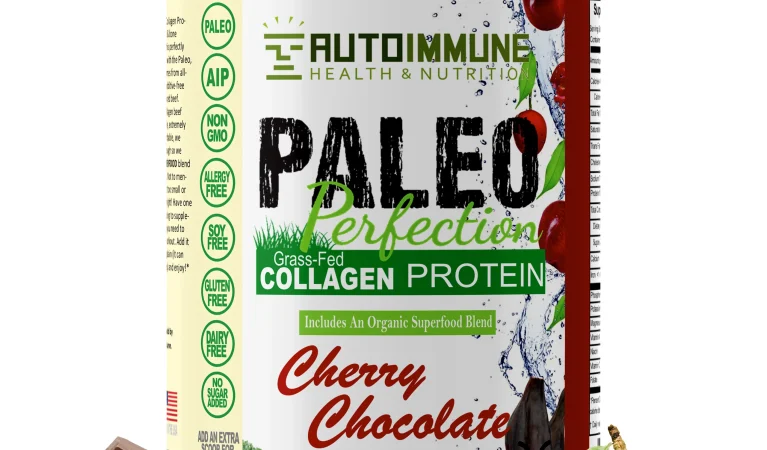
The Autoimmune Diet, also known as the Autoimmune Protocol Diet (AIP), is gaining widespread attention for its ability to reduce inflammation, improve gut health, and manage autoimmune symptoms naturally. While there are many anti-inflammatory diets available, such as the Mediterranean diet, Paleo diet, and Whole30, the Autoimmune Diet stands out for its structured elimination approach and focus on healing the immune system at its root. Understanding what makes the Autoimmune Diet different can help individuals choose the right nutritional path for their health needs.
1. The Core Purpose of the Autoimmune Diet
The Autoimmune Protocol Diet (AIP) is designed specifically for individuals suffering from autoimmune diseases—conditions in which the immune system mistakenly attacks healthy tissues. Unlike general anti-inflammatory diets that focus on reducing inflammation for overall wellness, the Autoimmune Diet aims to calm the immune system, repair the gut lining, and identify specific food triggers that cause immune reactions.
Autoimmune conditions such as Hashimoto’s thyroiditis, rheumatoid arthritis, psoriasis, lupus, and inflammatory bowel disease (IBD) often share a common root cause—chronic inflammation and intestinal permeability, also known as “leaky gut.” The AIP diet directly addresses these issues by removing potential irritants, allowing the body to reset and heal.
2. The Elimination and Reintroduction Phases
One of the most distinctive features of the Autoimmune Diet is its two-phase process: elimination and reintroduction.
- Elimination Phase:
In this phase, individuals remove foods that are known to trigger inflammation or immune responses. These include grains, legumes, dairy, processed foods, seed oils, nightshade vegetables (like tomatoes, potatoes, and peppers), nuts, seeds, eggs, alcohol, and coffee. This phase typically lasts for 30 to 90 days, depending on the individual’s symptoms and progress.
- Reintroduction Phase:
Once inflammation and symptoms have subsided, foods are slowly reintroduced one at a time to identify which ones trigger negative reactions. This personalized approach allows individuals to discover their unique food sensitivities and create a long-term, sustainable eating plan.
This structured elimination process is what truly separates the Autoimmune Protocol Diet from other anti-inflammatory diets. While other diets focus on adding anti-inflammatory foods, AIP goes a step further by identifying and removing specific dietary triggers that worsen autoimmune symptoms.
3. Focus on Gut Health and the Immune System
The Autoimmune Diet places a heavy emphasis on gut health, recognizing that approximately 70% of the immune system resides in the gut. The goal is to restore the intestinal barrier, which can become compromised in autoimmune conditions.
To support gut healing, the AIP encourages the consumption of nutrient-dense, easily digestible foods, including:
- Bone broth for collagen and amino acids that repair the gut lining.
- Fermented foods such as sauerkraut and coconut yogurt for probiotics.
- Organ meats for essential vitamins and minerals.
- Wild-caught fish and grass-fed meats for omega-3 fatty acids.
- A wide variety of vegetables (excluding nightshades) to promote microbial diversity.
Other anti-inflammatory diets, such as the Mediterranean or Paleo diet, do promote healthy gut function but don’t necessarily focus on repairing the gut lining or identifying autoimmune triggers. The Autoimmune Protocol Diet uniquely integrates both immune and digestive health for long-term recovery.
4. Nutrient Density and Food Quality
Another major difference between the Autoimmune Diet and other anti-inflammatory diets is the emphasis on nutrient density. Because individuals with autoimmune conditions often suffer from nutrient deficiencies due to chronic inflammation or poor absorption, the AIP diet prioritizes foods rich in vitamins A, D, E, and K, along with zinc, selenium, magnesium, and iron.
While most anti-inflammatory diets promote fresh, whole foods, the Autoimmune Diet goes further by encouraging the inclusion of nutrient-rich options such as organ meats, shellfish, and bone marrow—foods that are often missing in modern diets but vital for immune regulation and tissue repair.
5. Elimination of Common “Healthy” Foods
Interestingly, the Autoimmune Protocol Diet eliminates certain foods that are considered healthy in other diets. For instance:
- Eggs and nuts, which are staples in Paleo and Keto diets, are excluded in AIP because they can provoke immune responses in sensitive individuals.
- Nightshade vegetables like tomatoes and peppers, known for their antioxidant properties, are avoided due to compounds that can irritate the gut lining.
- Even coffee and chocolate, commonly included in anti-inflammatory diets, are removed during the elimination phase because they may affect cortisol levels or digestion.
This selective restriction makes the AIP much stricter but also more effective for those with autoimmune challenges.
6. Mind-Body Connection and Lifestyle Integration
Unlike many other anti-inflammatory eating plans, the Autoimmune Diet acknowledges that diet alone is not enough to heal autoimmune diseases. It emphasizes a holistic lifestyle that includes stress management, adequate sleep, gentle movement, and emotional well-being. Chronic stress and lack of sleep can trigger autoimmune flare-ups just as much as poor diet, so AIP promotes practices like meditation, yoga, and spending time in nature to support the body’s healing process.
This integration of mental and physical health is another key differentiator between the Autoimmune Protocol Diet and general anti-inflammatory approaches.
7. Long-Term Personalization
While anti-inflammatory diets such as the Mediterranean or Whole30 offer general guidelines, the Autoimmune Diet provides a customizable roadmap based on individual responses. After the reintroduction phase, individuals can personalize their eating plan according to what their body tolerates best. This makes the AIP not just a short-term reset but a long-term, adaptive lifestyle strategy for managing autoimmune diseases.
8. Conclusion
The Autoimmune Diet is far more than a simple anti-inflammatory plan—it’s a comprehensive healing system that combines nutrition, lifestyle, and personalized discovery to restore balance to the immune system. Unlike standard anti-inflammatory diets that focus mainly on reducing inflammation through nutrient-rich foods, the Autoimmune Protocol Diet identifies specific triggers, repairs the gut lining, and creates a foundation for sustainable health.