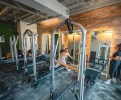
Contemporary Pilates is a modern approach to Pilates that combines traditional movement principles with updated exercise techniques. It focuses on improving strength, flexibility, posture, coordination, and overall body awareness. This exercise method helps people develop a stronger connection between their minds and bodies while building a balanced fitness routine.
Unlike workouts that focus mainly on individual muscle groups, contemporary Pilates encourages the body to work as one connected system. It uses controlled movements, breathing techniques, and proper alignment to activate different muscle groups. These exercises help strengthen the core while improving stability and movement control.
People searching for contemporary pilates near me often want a fitness programme that supports their individual goals. Whether someone wants to improve posture, develop core strength, or move more comfortably, contemporary Pilates offers an adaptable approach to physical fitness.
How Does Contemporary Pilates Strengthen Your Core Muscles?
Your core includes more than your abdominal muscles. It also involves the deep muscles around your spine, pelvis, hips, and lower back. These muscles work together to stabilise your body during everyday activities and exercise.
Contemporary Pilates uses controlled movements that activate these important muscle groups. Exercises such as leg extensions, controlled roll-downs, bridges, and abdominal movements challenge the core without relying on fast or uncontrolled repetitions.
Regular practice can help improve:
- Abdominal muscle strength.
- Lower back stability.
- Pelvic control.
- Spinal support.
- Overall muscular endurance.
A stronger core helps you maintain better posture and perform everyday movements with greater control. It also provides a stable foundation for other physical activities, including walking, running, swimming, and strength training.
Why Is Body Balance Important in Contemporary Pilates?
Body balance allows you to maintain stability while standing, walking, bending, and changing positions. It depends on coordination between your muscles, joints, nervous system, and awareness of body position.
Contemporary Pilates includes exercises that challenge stability through controlled movements and different body positions. For example, balancing on one leg or performing slow movements while maintaining a stable pelvis encourages your body to coordinate several muscle groups.
These exercises help develop better movement awareness and control. They also encourage balanced muscle engagement rather than allowing stronger muscles to perform all the work.
With consistent practice, participants can improve their ability to maintain stable positions and move confidently. Better balance also supports everyday activities, such as climbing stairs, reaching for objects, and walking on uneven surfaces.
How Do Pilates Apparatus Classes Improve Strength and Stability?
Pilates equipment provides additional support and resistance during exercise. Reformer machines, Pilates chairs, barrels, and other apparatus allow instructors to create different movement challenges based on individual abilities.
Pilates apparatus classes offer a structured way to develop strength, flexibility, and coordination. The equipment uses springs, adjustable resistance, and moving platforms to challenge muscles while helping participants maintain controlled movement patterns.
Some important benefits include:
- Adjustable Resistance: Equipment allows instructors to modify resistance according to a participant’s fitness level. Beginners can start with manageable exercises, while experienced participants can gradually increase the challenge.
- Improved Core Activation: Many apparatus exercises require participants to stabilise their bodies while moving against resistance. This encourages deeper core engagement.
- Better Movement Control: The equipment encourages slow, deliberate movements that help participants focus on alignment and technique.
- Greater Exercise Variety: Different apparatus provide opportunities to work on various muscle groups and movement patterns.
- Increased Body Awareness: Participants learn how their bodies respond to resistance, movement, and changes in position.
These classes can support people with different fitness goals when instructors provide suitable modifications and guidance.
Can Contemporary Pilates Improve Posture and Spinal Alignment?
Poor posture can develop from prolonged sitting, limited movement, repetitive activities, and muscle imbalances. Over time, these habits may affect how comfortably people move throughout the day.
Contemporary Pilates encourages proper alignment by strengthening the muscles that support the spine and pelvis. Exercises often target the abdominal muscles, back muscles, glutes, and shoulders to create better muscular coordination.
Instructors also teach participants to maintain neutral spinal positions and avoid unnecessary tension during movement.
Improved postural awareness can make everyday activities more comfortable. For example, participants may become more conscious of their sitting positions, standing habits, and movement patterns.
However, Pilates does not automatically correct every posture-related problem. Consistent practice, appropriate exercise selection, and professional guidance help participants work towards healthier movement habits.
How Does Controlled Breathing Support Core Strength?
Breathing plays an important role in contemporary Pilates. Participants coordinate their breathing with movements to maintain control, reduce unnecessary tension, and support effective muscle engagement.
Proper breathing encourages the diaphragm and deep abdominal muscles to work together. This coordination contributes to core stability during different exercises.
Instead of holding their breath while performing challenging movements, participants learn to breathe steadily and maintain control.
Controlled breathing also encourages concentration. It helps people remain aware of their bodies and perform exercises with greater precision.
Over time, this approach can improve exercise quality and help participants develop a more mindful relationship with physical activity.
Is Contemporary Pilates Suitable for Beginners?
Yes, contemporary Pilates can suit beginners when instructors select appropriate exercises and provide clear guidance. New participants do not need advanced strength or flexibility to get started.
A beginner programme usually introduces basic breathing techniques, core activation, pelvic positioning, and controlled movements. Instructors gradually introduce more challenging exercises as participants become comfortable with the fundamentals.
People searching for contemporary pilates near me should look for a studio that offers professional instruction, small-group guidance, and suitable exercise modifications.
Beginners can benefit from starting with simple movements and focusing on correct technique rather than trying to complete difficult exercises immediately.
Consistency also matters. Attending sessions regularly allows participants to understand movement principles, improve coordination, and build strength gradually.
How Often Should You Practise Pilates for Better Results?
The ideal Pilates schedule depends on your fitness level, lifestyle, and personal goals. However, practising two or three times each week can provide a useful starting point for many people.
Regular sessions give muscles opportunities to develop strength and endurance while helping participants improve movement quality.
You can support your Pilates routine through other healthy habits, including:
- Walking regularly to maintain general activity.
- Stretching gently to support mobility.
- Taking movement breaks during long periods of sitting.
- Getting enough rest between demanding sessions.
- Maintaining a balanced diet and staying hydrated.
Avoid rushing through exercises or increasing difficulty too quickly. Gradual progress allows your body to adapt while helping you maintain proper technique.
What Should You Look for in a Professional Pilates Studio?
Choosing the right Pilates studio can make your fitness journey more enjoyable and productive. A professional environment should prioritise proper instruction, individual attention, and safe exercise progression.
Consider the following factors when selecting a studio:
Qualified Instructors: Experienced instructors understand movement principles and can guide participants through exercises with proper technique.
Suitable Equipment: Well-maintained Pilates equipment supports different exercise requirements and fitness levels.
Personalised Guidance: Instructors should offer modifications based on individual abilities and goals.
Structured Classes: A well-planned programme should include exercises that develop strength, flexibility, coordination, and balance.
Supportive Environment: A welcoming atmosphere can help beginners feel comfortable and stay motivated.
At Sigma Pilates, participants can explore a mindful approach to movement that focuses on building strength, improving body awareness, and supporting overall physical fitness.
How Can Contemporary Pilates Support Long-Term Fitness Goals?
Contemporary Pilates offers benefits that extend beyond individual workout sessions. It encourages participants to develop movement habits that support everyday physical activities.
Improved core strength can help stabilise the body during different movements. Better balance can support coordination, while increased flexibility can encourage comfortable movement through a wider range of motion.
The practice also promotes consistency and body awareness. Participants learn to recognise their physical limitations, understand movement patterns, and work towards gradual improvements.
Whether you want to strengthen your abdominal muscles, improve posture, or develop better stability, contemporary Pilates provides a versatile approach to fitness.
Sigma Pilates encourages participants to make mindful movement part of their regular wellness routine. With professional guidance and consistent practice, contemporary Pilates can help you build a stronger core, improve body balance, and develop healthier movement habits.
Conclusion
Contemporary Pilates combines controlled movement, breathing techniques, and targeted resistance to improve core strength and body balance. It helps participants strengthen supporting muscles, develop better coordination, and improve postural awareness.
Through regular practice and suitable Pilates apparatus classes, individuals can work towards stronger muscles, improved stability, and greater movement confidence. Choosing a supportive studio and following professional instruction can make the experience more effective and enjoyable.
Start with movements that match your current fitness level, practise consistently, and allow your strength and balance to develop gradually.