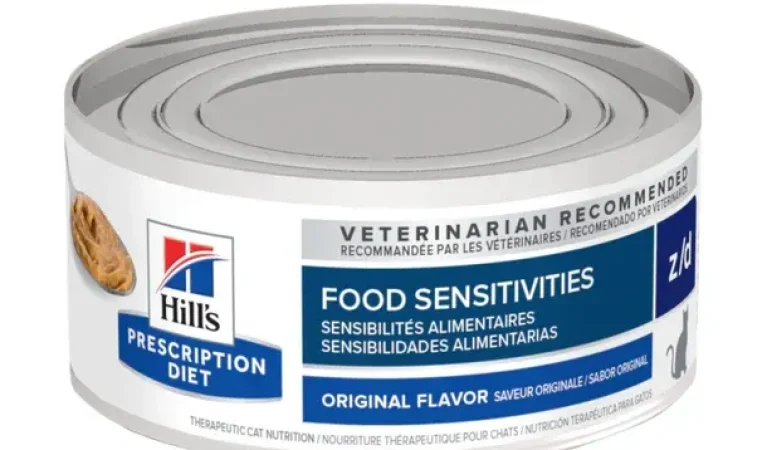
Our pets are more than just animals; they are important members of our families. Just like humans, pets need proper nutrition and digestive care to maintain a healthy and active lifestyle. However, some pets experience health issues such as food allergies, digestive disorders, sensitive stomachs, urinary problems, and weakened immunity. In such situations, choosing the right nutrition becomes especially important. Two solutions that can support pet wellness are Prescription Pet Food and Pet Probiotics.
Understanding how these products work and when they may be beneficial can help pet owners make informed decisions about their furry companions’ health.
What Is Prescription Pet Food?
Prescription Pet Food is specially formulated nutrition designed to support pets dealing with specific medical conditions. Unlike regular commercial pet food, these diets are developed to meet particular nutritional requirements associated with certain health concerns.
Veterinarians may recommend prescription diets for pets experiencing conditions such as:
- Food sensitivities and allergies
- Kidney-related health concerns
- Urinary tract problems
- Digestive disorders
- Weight management issues
- Liver-related conditions
These specialized diets contain carefully selected ingredients and adjusted nutrient levels to help manage specific health requirements. For example, some urinary care diets are formulated to support urinary health, while certain digestive care diets contain easily digestible ingredients.
It is important to remember that Prescription Pet Food should be selected according to your veterinarian’s recommendation. The right diet depends on your pet’s age, breed, medical history, and individual nutritional needs.
Understanding the Benefits of Pet Probiotics
A healthy digestive system plays an important role in your pet’s overall well-being. This is where Pet Probiotics can make a difference.
Probiotics are beneficial live microorganisms that help maintain a balanced gut microbiome. A healthy balance of gut bacteria supports digestion and contributes to normal intestinal function.
Pet probiotics are available in different forms, including powders, capsules, chews, and supplements that can be mixed with regular food.
Some potential benefits of Pet Probiotics include:
1. Supporting Digestive Health
Probiotics help maintain a healthy balance of intestinal microorganisms. They may support normal digestion and help manage occasional digestive disturbances.
2. Promoting Gut Microbiome Balance
A balanced gut microbiome is essential for maintaining digestive function. Probiotic supplements can help support beneficial bacteria in the digestive tract.
3. Supporting Immune Function
The digestive system plays an important role in immune health. Maintaining a healthy gut environment can contribute to normal immune function.
4. Helping During Dietary Changes
Changes in food, travel, stress, or environmental factors may affect your pet’s digestion. Certain probiotics may help support digestive stability during these transitions.
Always consult your veterinarian before introducing a probiotic supplement, particularly if your pet has an existing medical condition.
Prescription Pet Food and Pet Probiotics: Can They Work Together?
Many pet owners wonder whether Prescription Pet Food and Pet Probiotics can be included in the same wellness routine. In some cases, veterinarians may recommend both to support different aspects of a pet’s health.
Prescription diets address specific nutritional requirements, while probiotics focus on supporting a healthy gut microbiome.
For example, a pet experiencing digestive sensitivity may benefit from a veterinarian-recommended digestive care diet. Depending on the underlying condition, the veterinarian may also suggest an appropriate probiotic supplement.
However, not every pet needs both products. Their suitability depends on individual health conditions, dietary requirements, and veterinary advice.
How to Choose the Right Products for Your Pet
Selecting suitable nutrition and supplements requires understanding your pet’s specific needs. Here are some important factors to consider:
Know Your Pet’s Health Condition: If your pet experiences frequent digestive issues, allergies, or other health concerns, consult a veterinarian before changing its diet.
Check the Ingredients: Review the ingredient list and nutritional information to ensure the product meets your pet’s requirements.
Choose Pet-Specific Probiotics: Different probiotic strains offer different benefits. Look for products formulated specifically for dogs or cats, with clearly identified strains and appropriate quality information.
Follow Feeding Instructions: Prescription diets and probiotic supplements should be introduced and administered according to professional guidance.
Monitor Your Pet’s Response: Observe changes in appetite, stool consistency, energy levels, and general behaviour after introducing a new product. Report any concerning changes to your veterinarian.
Why Preventive Nutrition Matters
Good nutrition is one of the foundations of long-term pet wellness. Providing balanced meals, fresh drinking water, regular exercise, and routine veterinary check-ups can help pets maintain a healthy lifestyle.
Prescription Pet Food can play an important role in managing certain diagnosed health conditions, while Pet Probiotics may help support digestive balance when appropriate.
Pet owners should avoid self-diagnosing health problems or replacing prescribed treatments with dietary supplements. A veterinarian can help determine which nutritional solutions are suitable for an individual pet.
Final Thoughts
Every pet deserves nutrition that supports its unique health requirements. Whether your furry companion needs a specialized diet or additional digestive support, making informed choices can contribute to better overall well-being.
Prescription Pet Food offers targeted nutritional support for specific medical conditions, while Pet Probiotics help maintain a healthy gut microbiome and support digestive function. When selected with veterinary guidance, these products can become valuable parts of an individualized pet wellness plan.